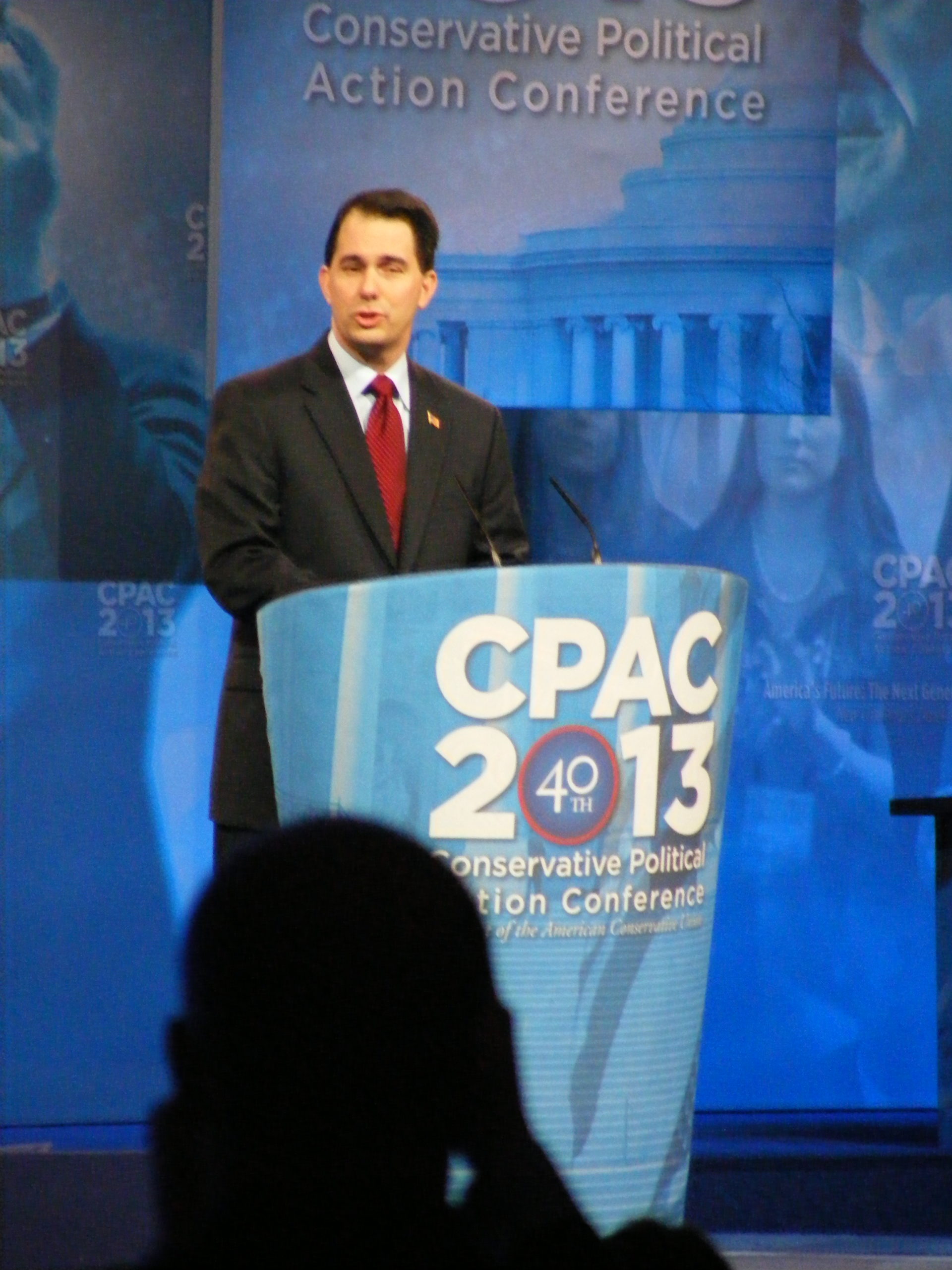
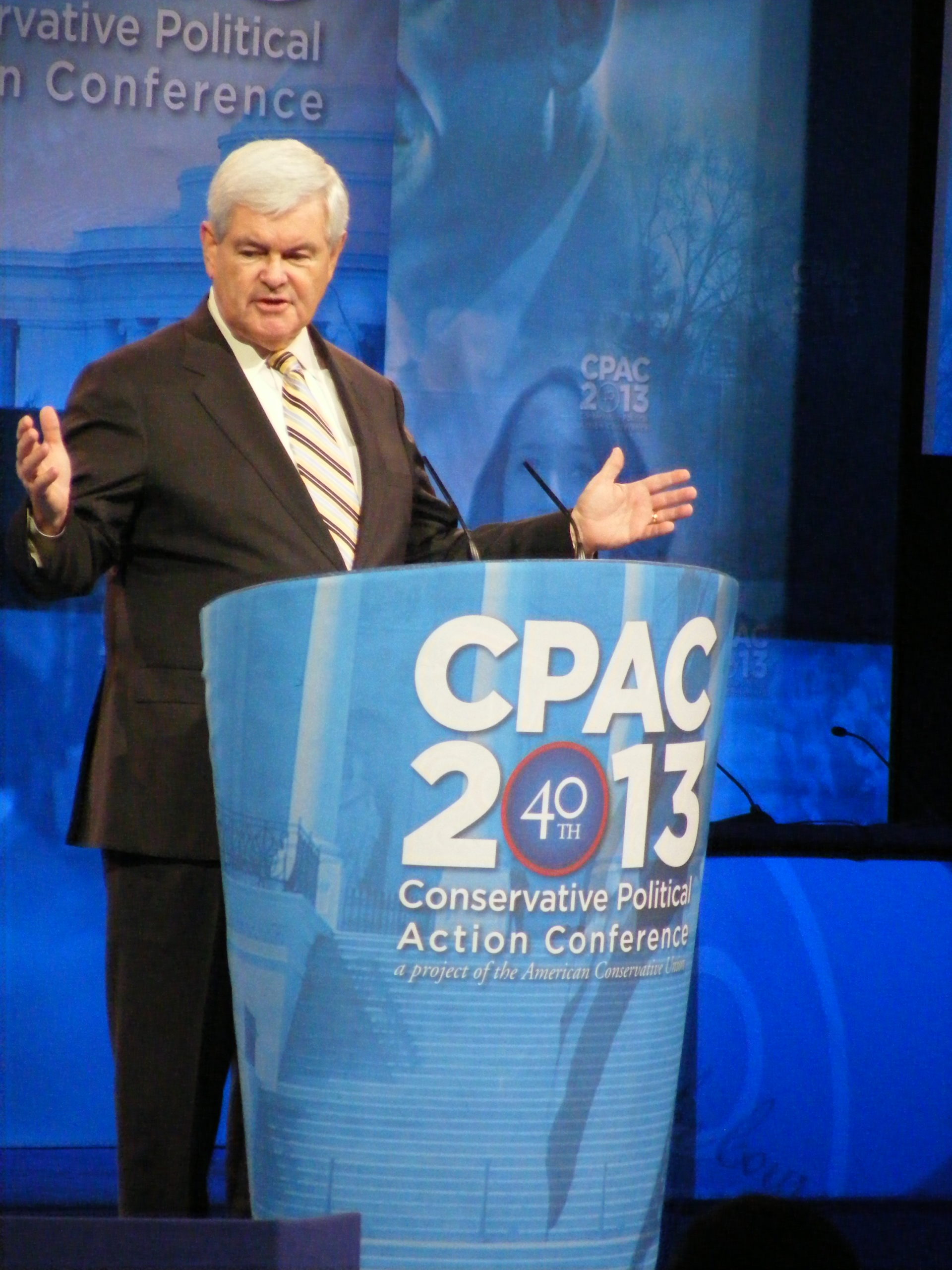
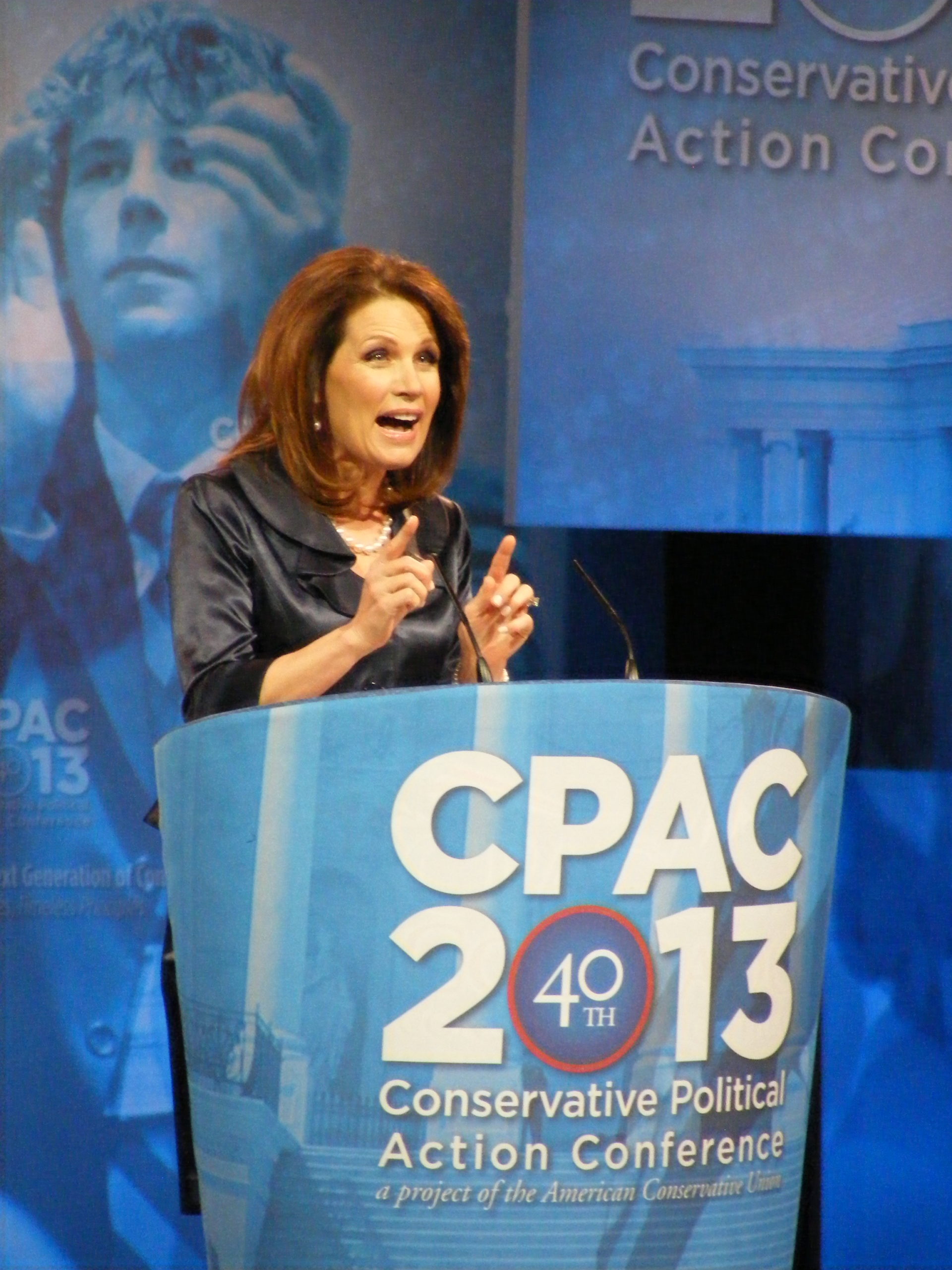
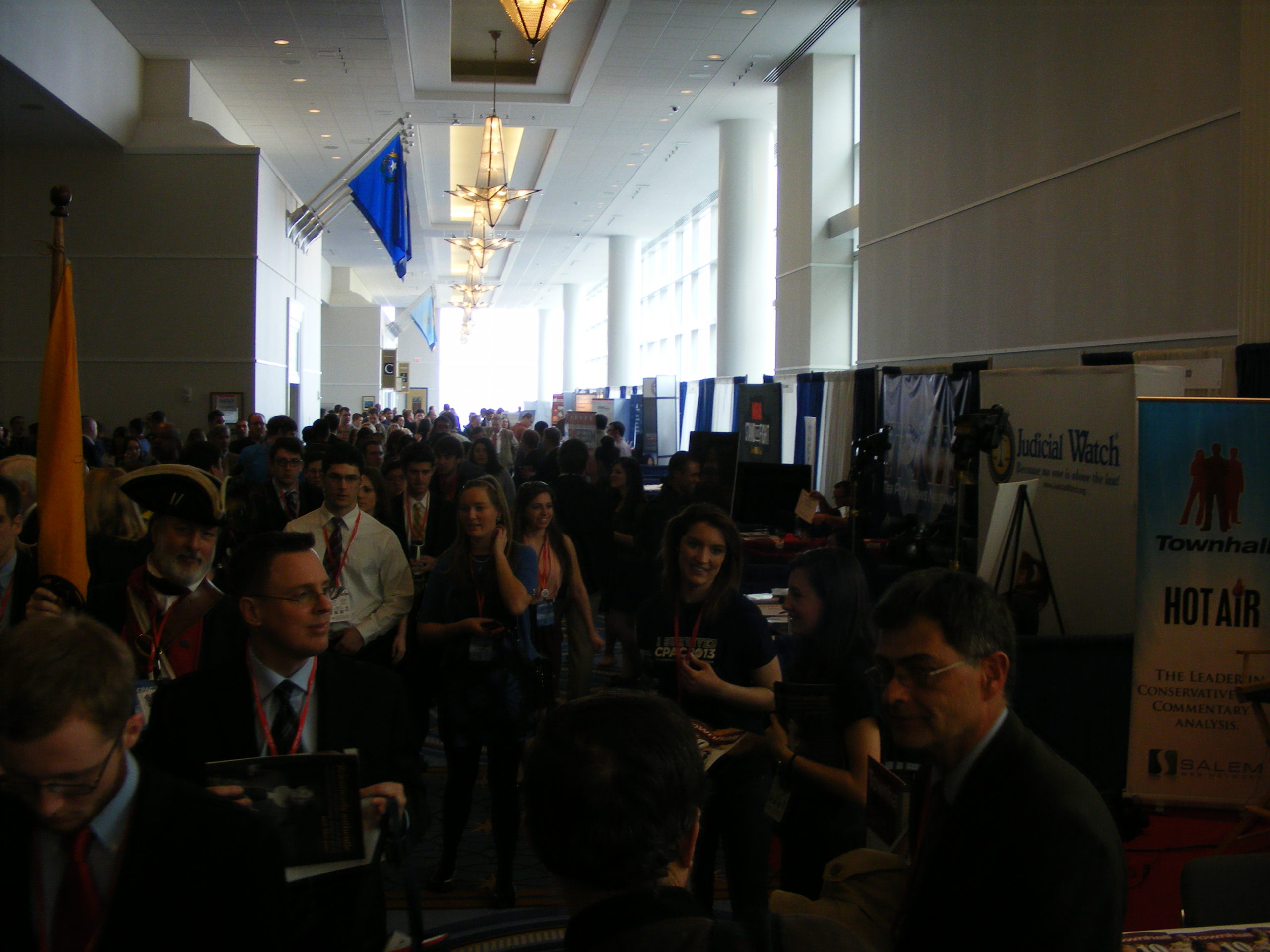
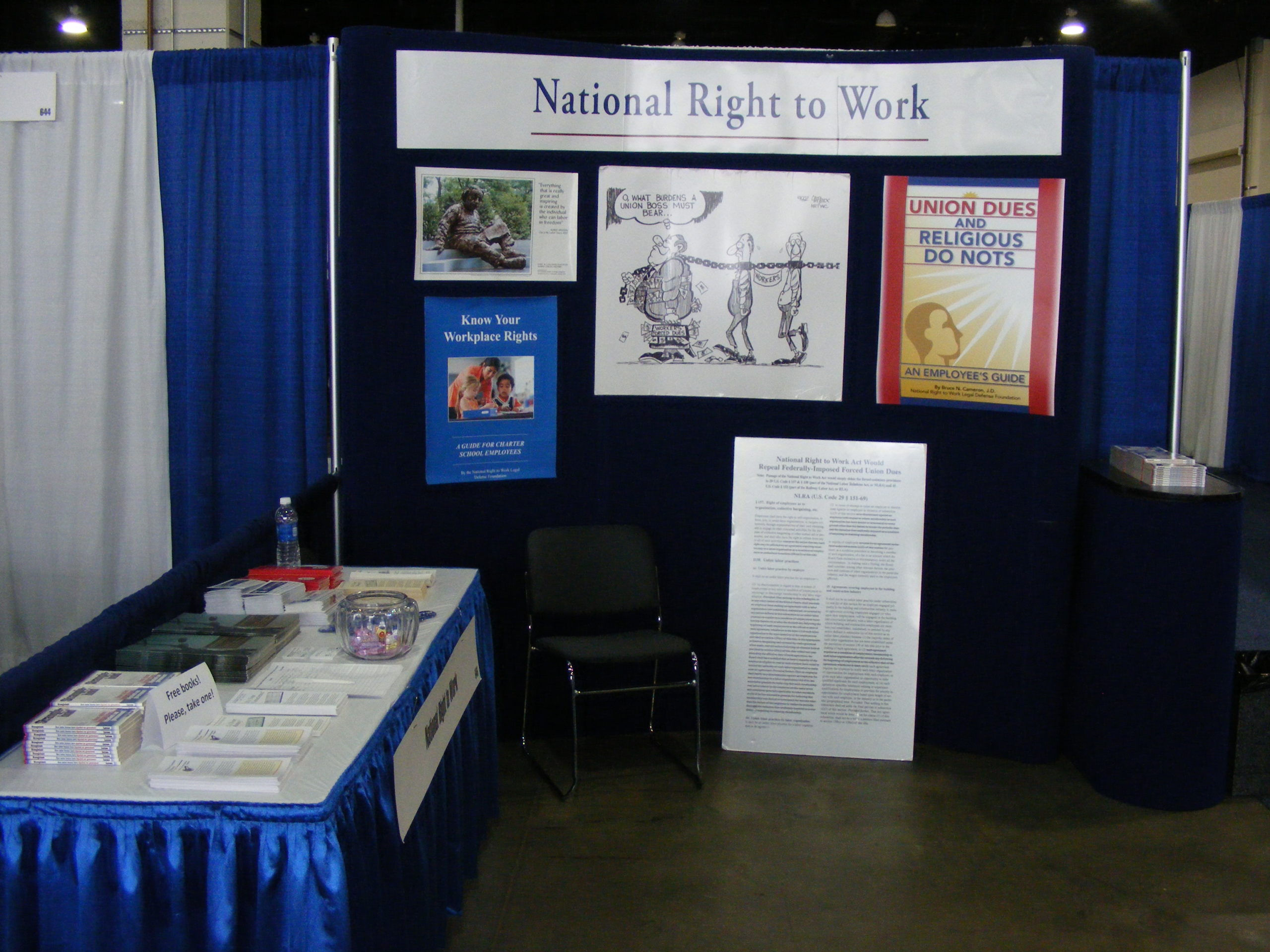
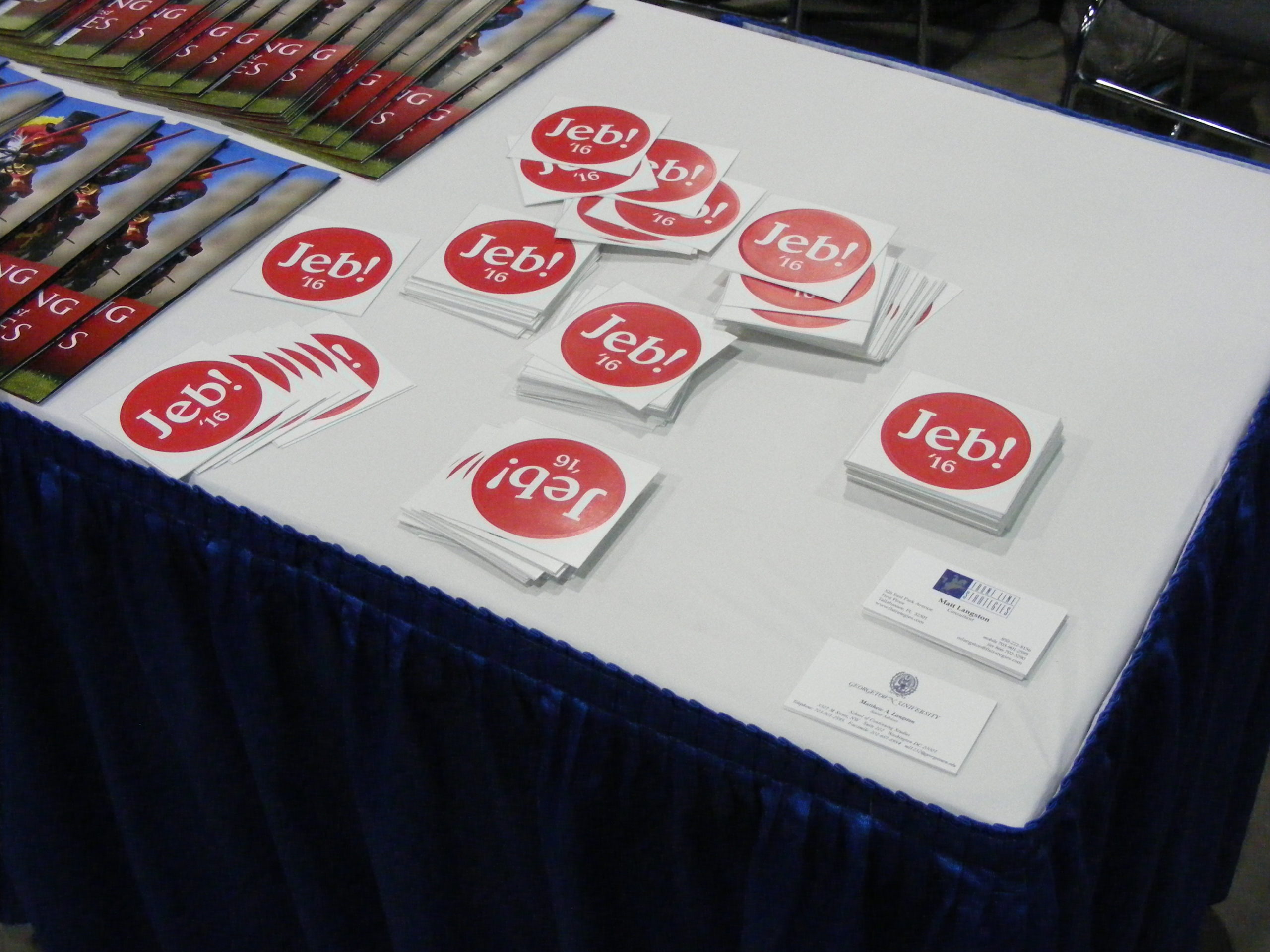
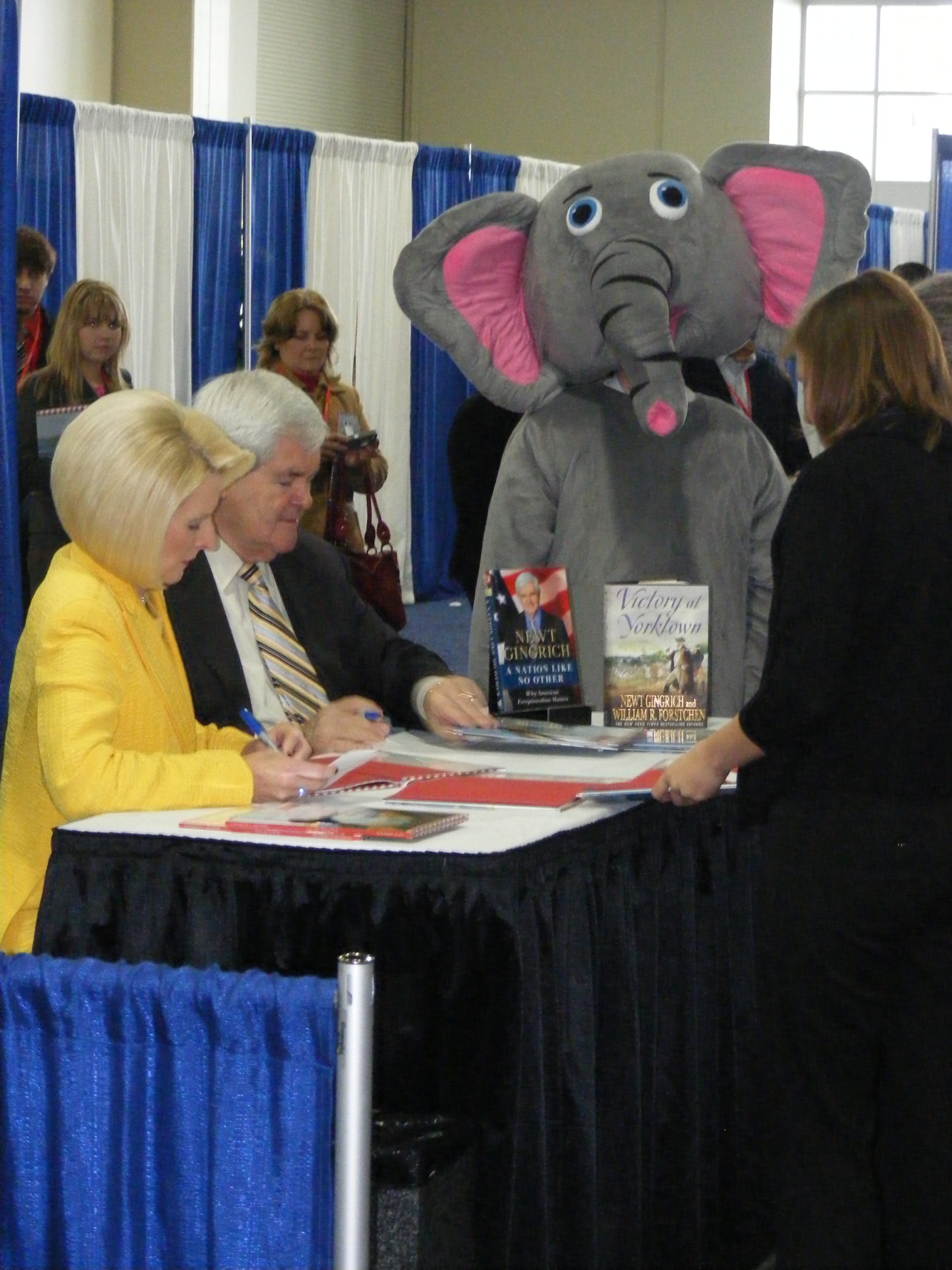
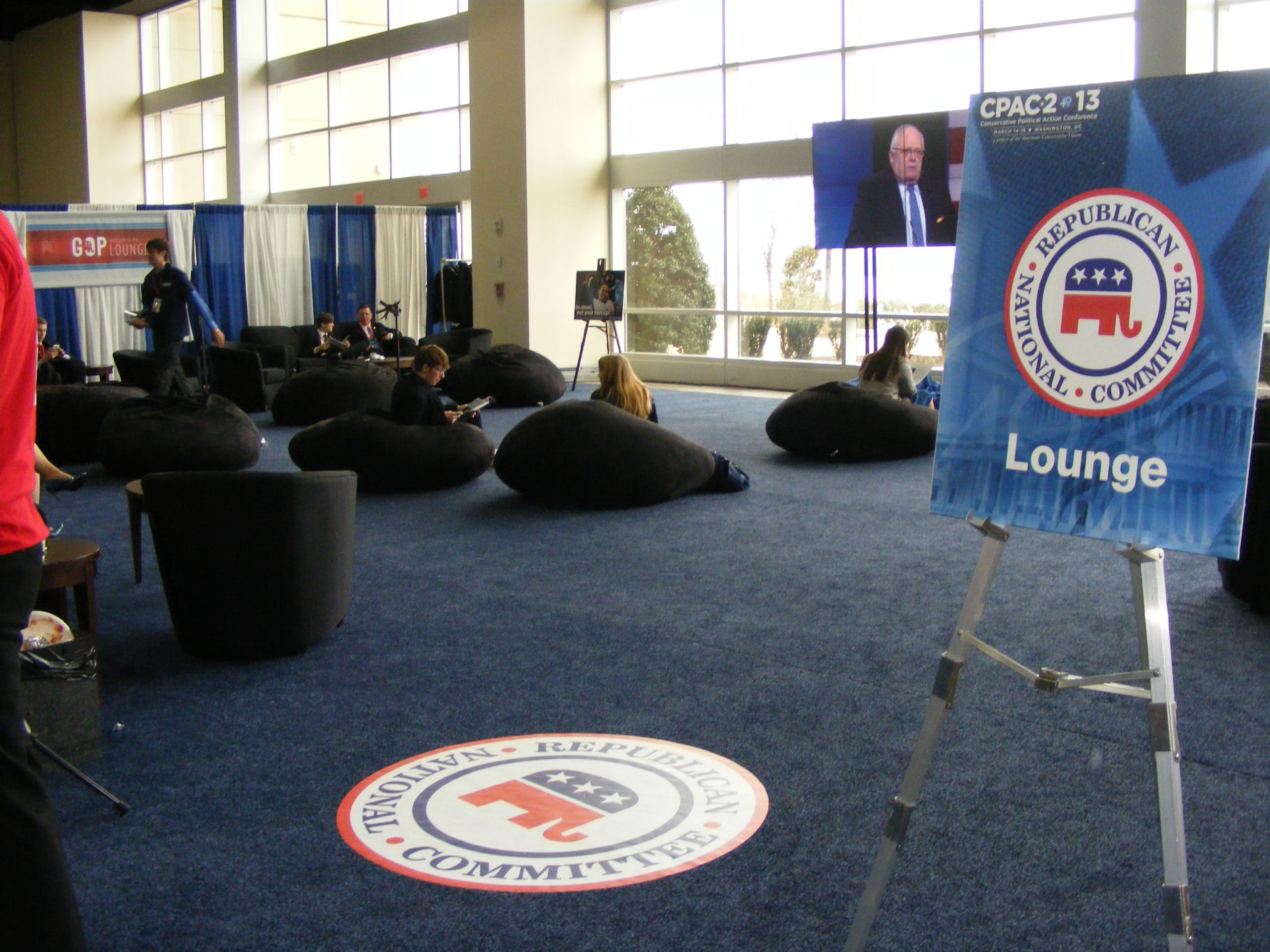
When I last left you at CPAC, I was ready to return upstairs to see Sarah Palin (and ran into Dan Bongino in the process.)
But I wanted to digress beforehand and explain a little bit about my vantage point for the event.
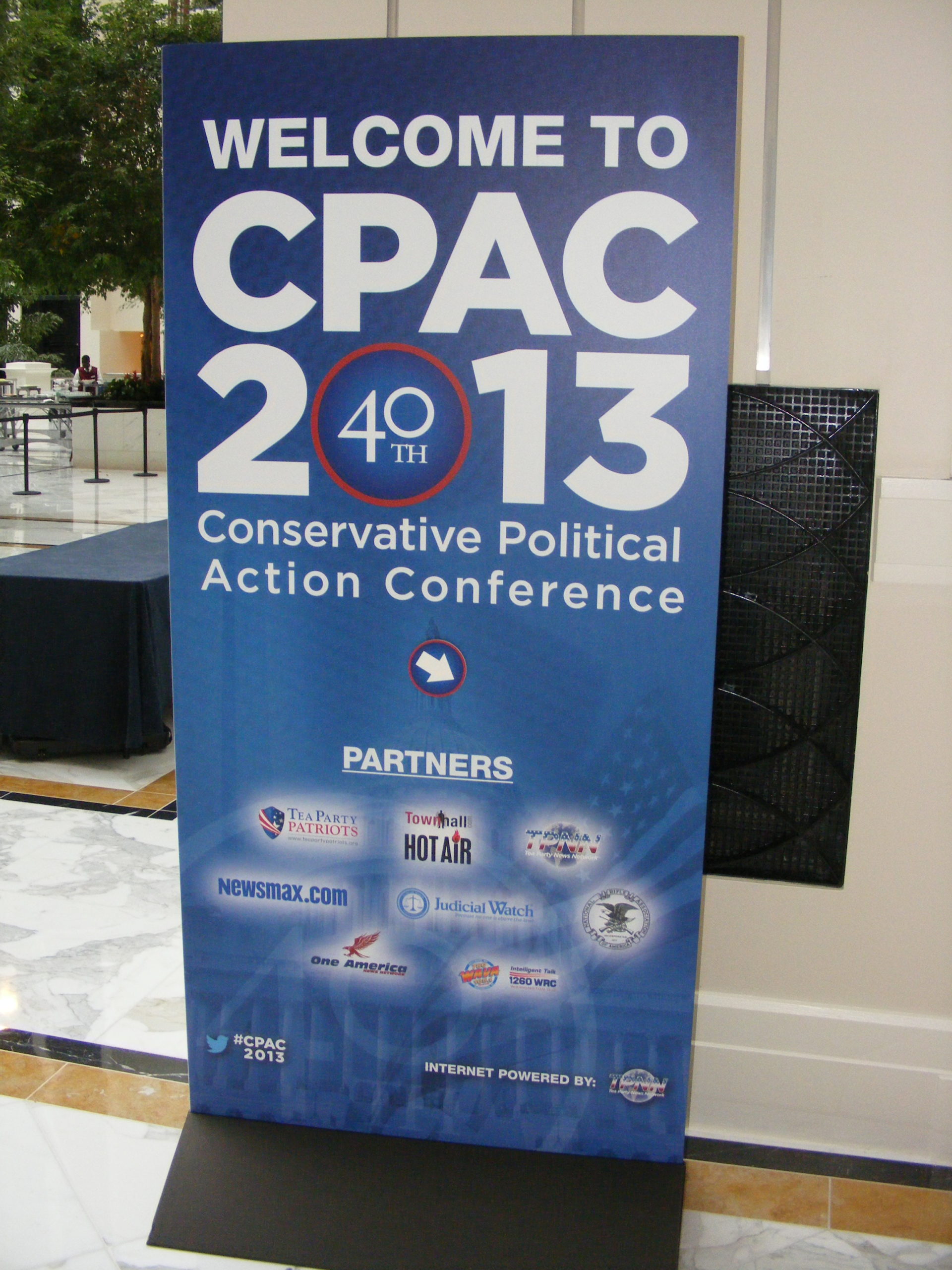
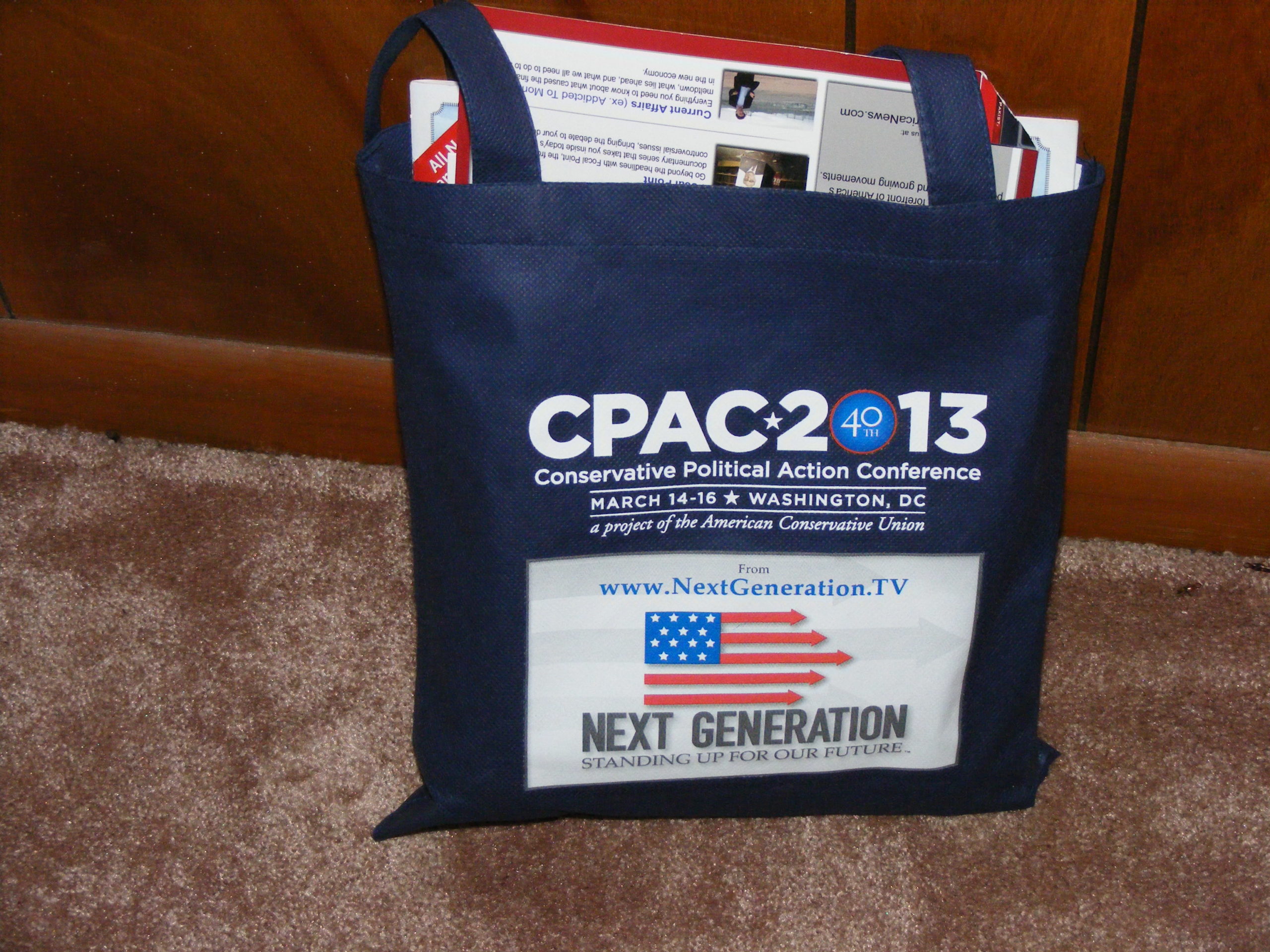
When I walked in early on and finally found the media check-in, they gave me this.
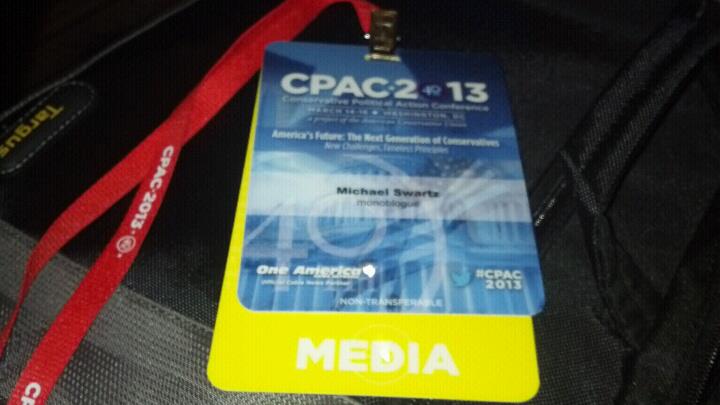
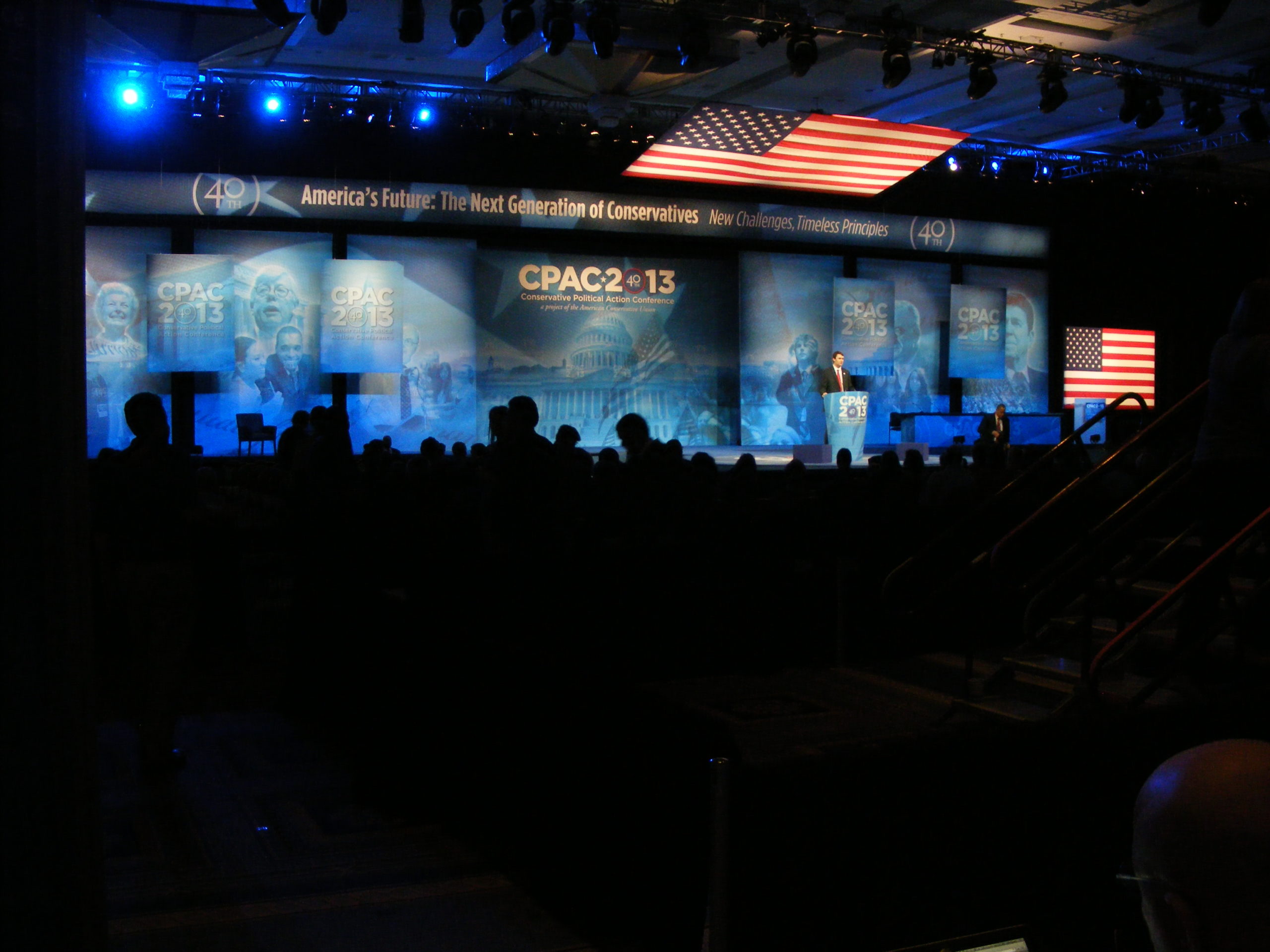
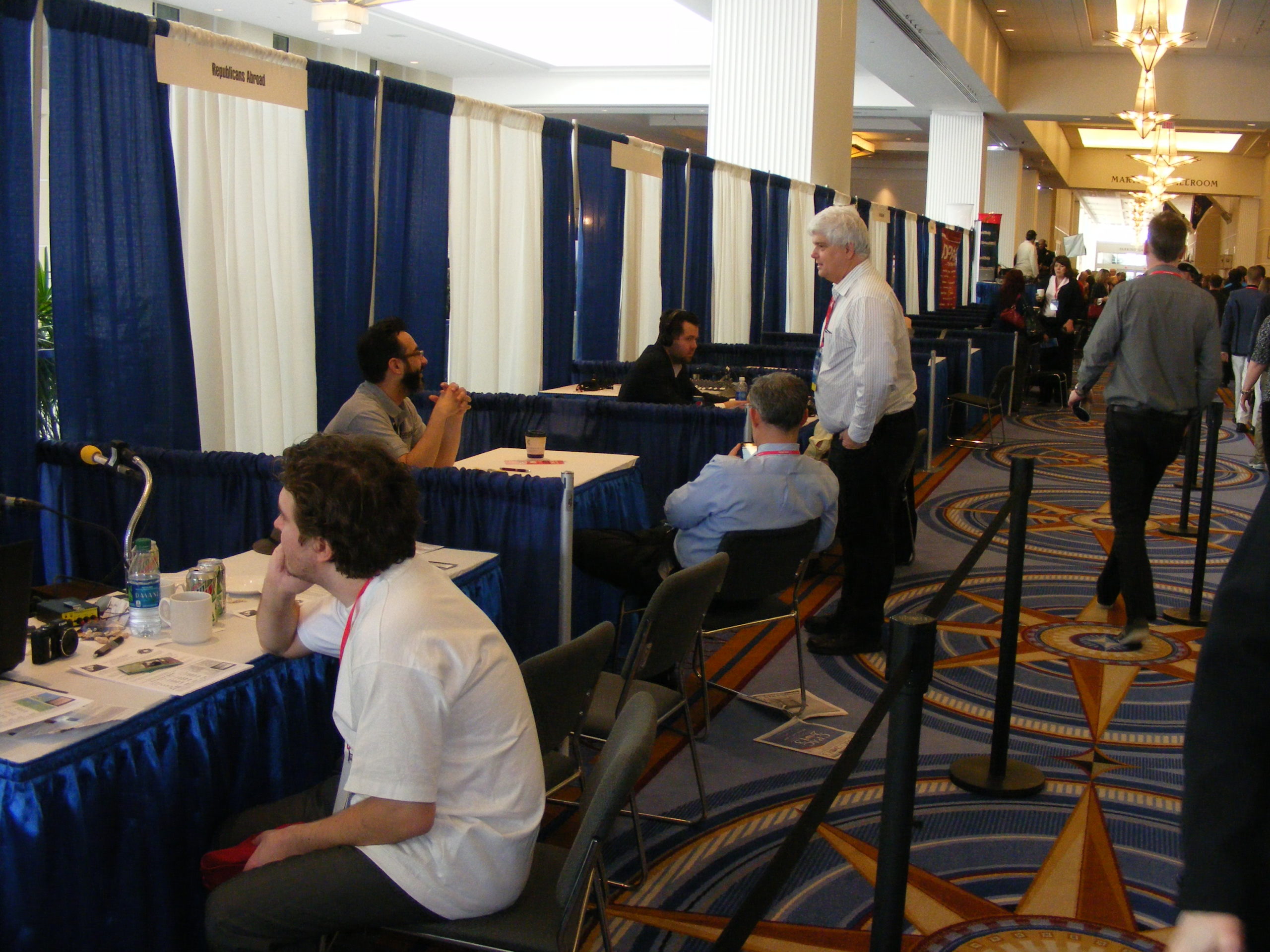
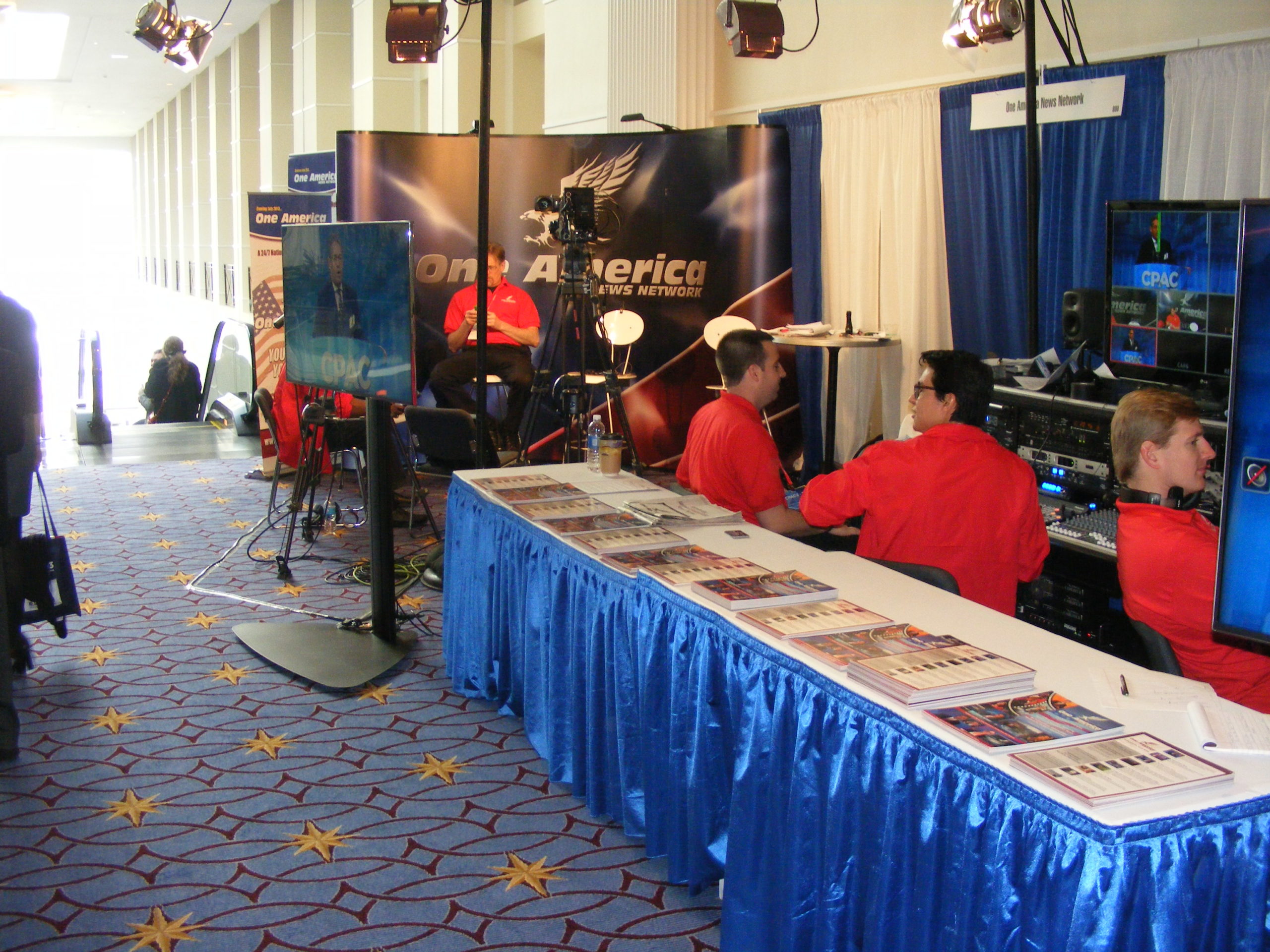
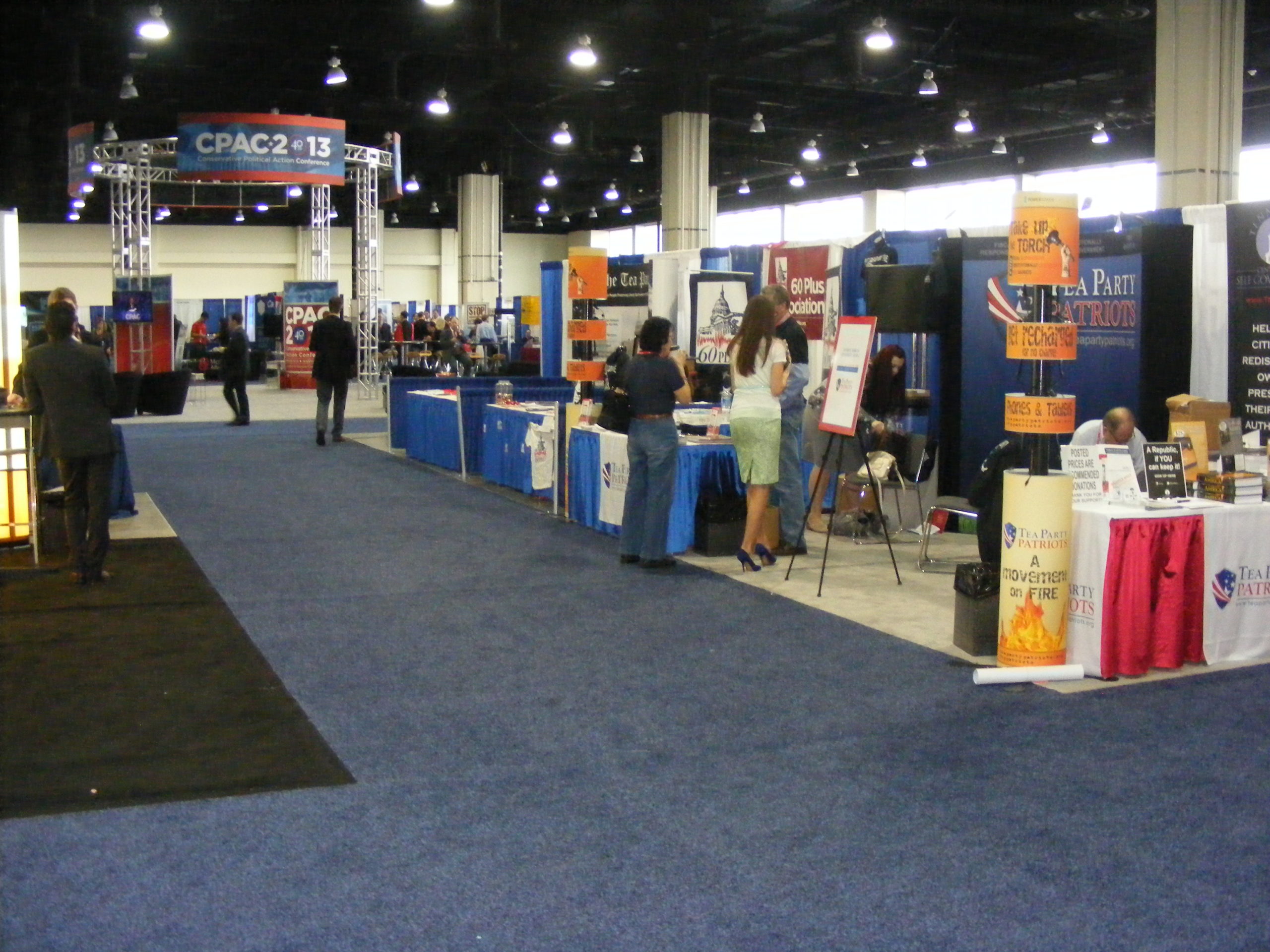
Obviously that gave me floor access, but for most of my time there (except when I walked up to take pictures) I was back in this area.
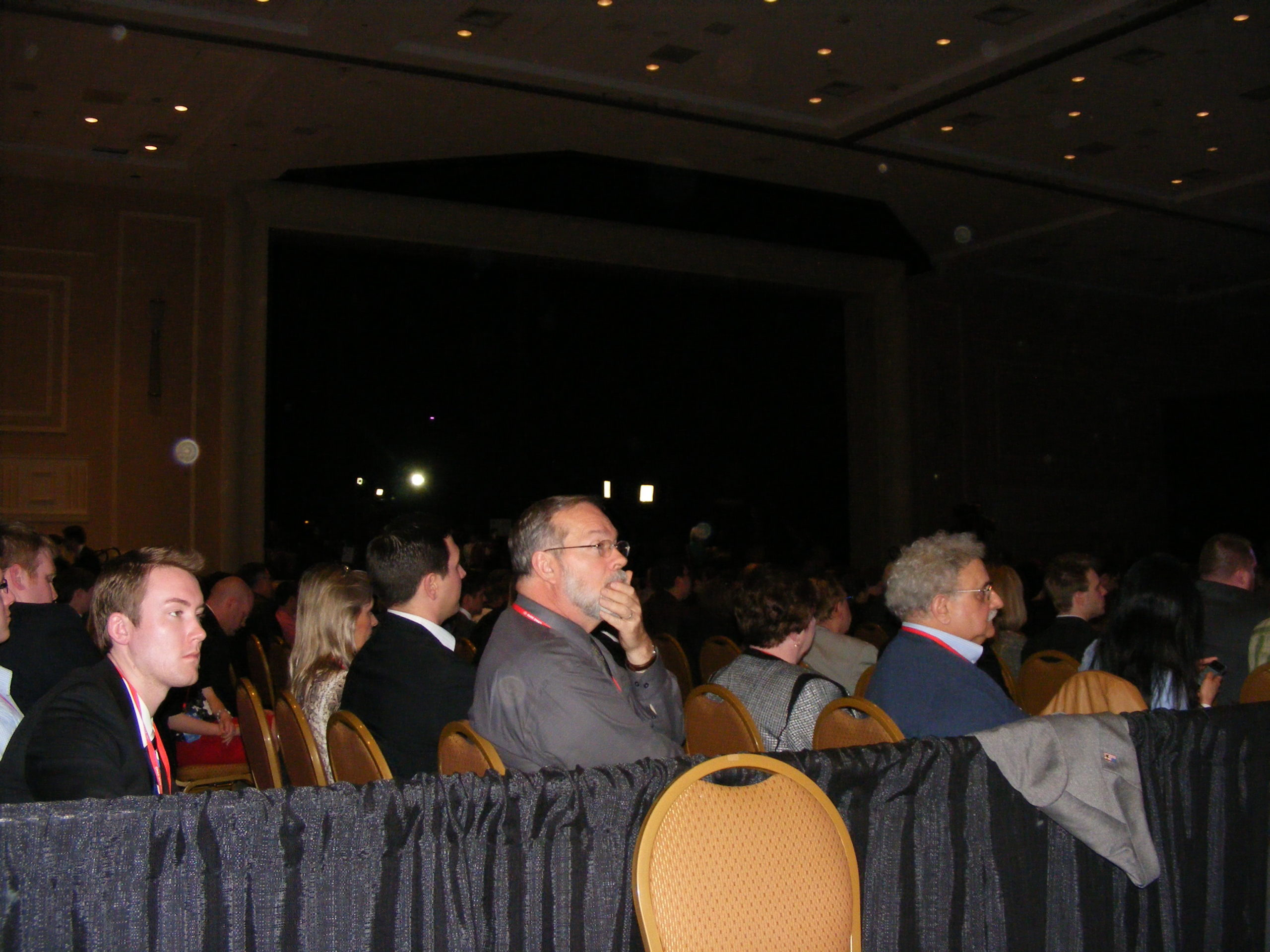
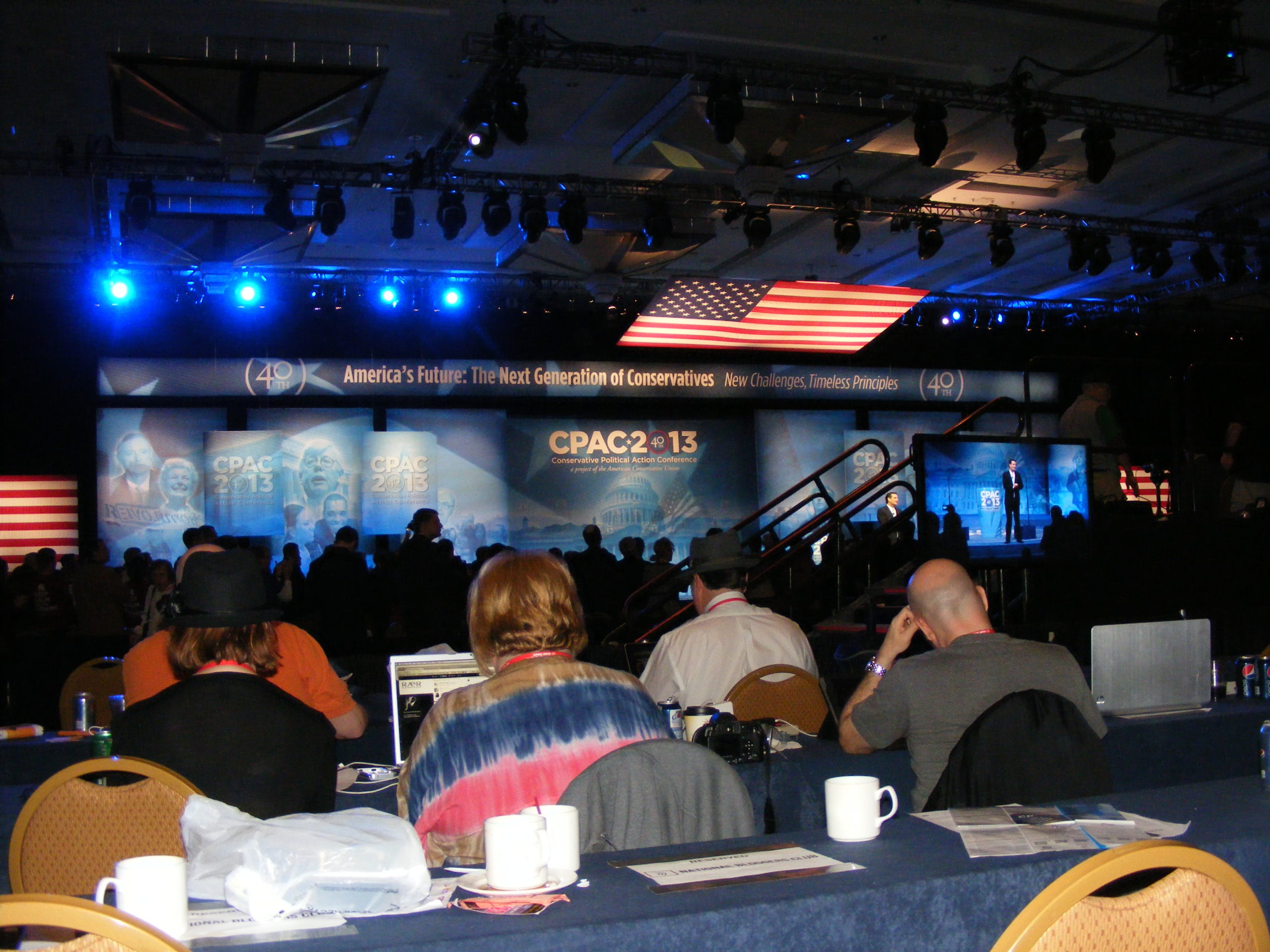
By the way, the woman sitting in front of me in the multi-colored shirt was my friend Jackie Wellfonder, who was covering CPAC for Viral Read. Nice work for her!
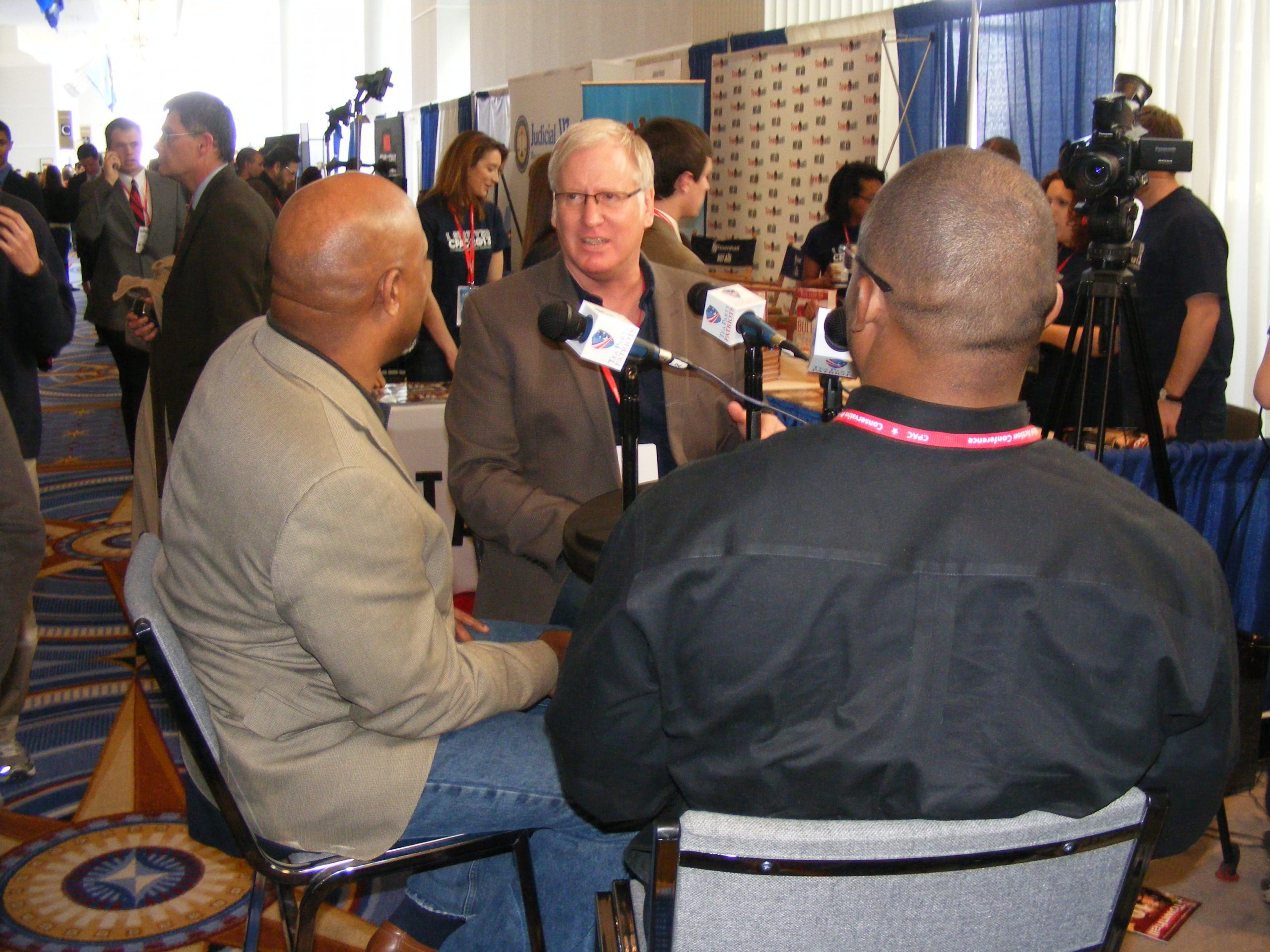
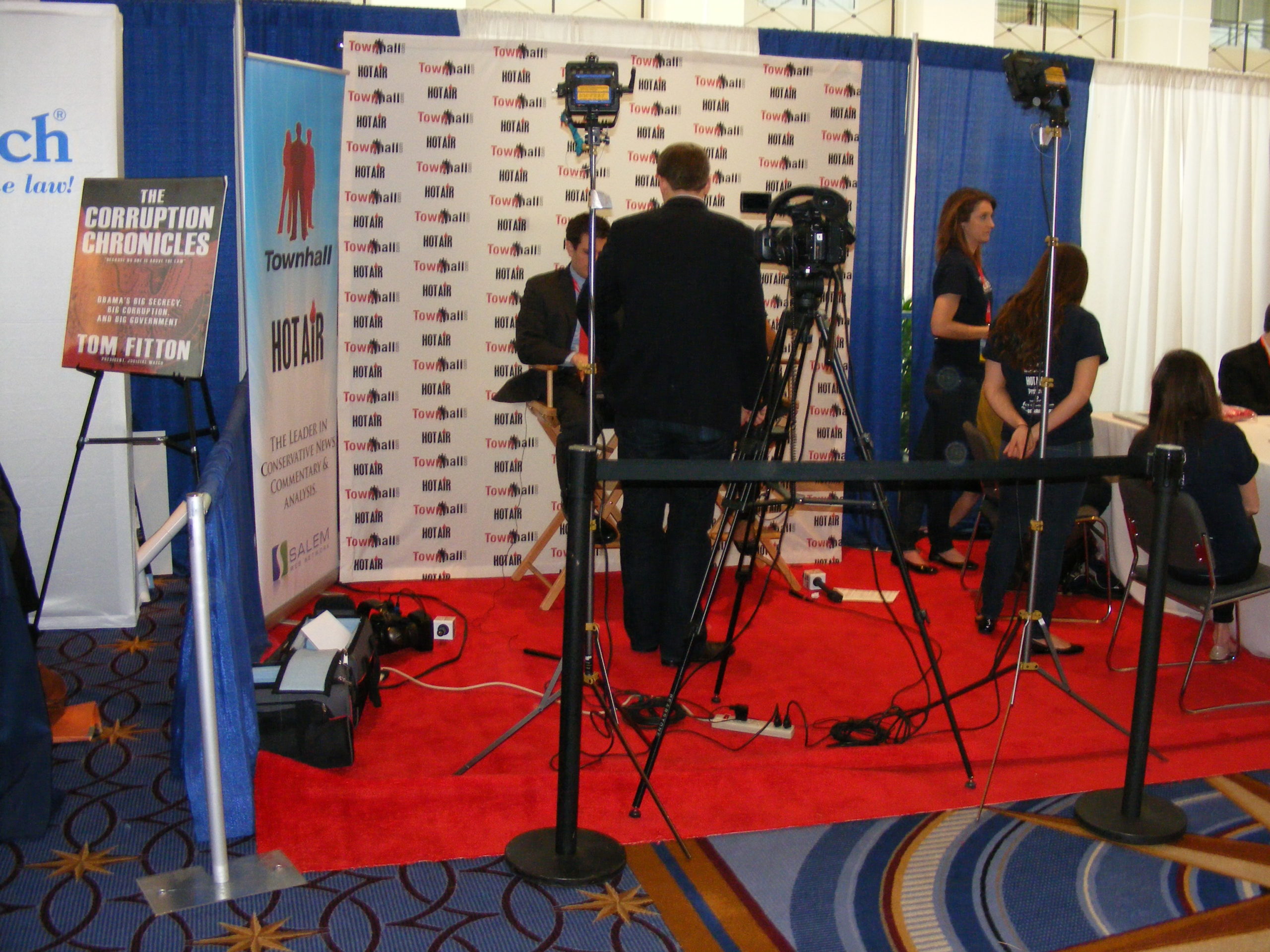
We were segregated into the area – which had some perks, like free coffee and pop – with the one problem being the obstructed view. But we had a good place to work and power to plug in our laptops.
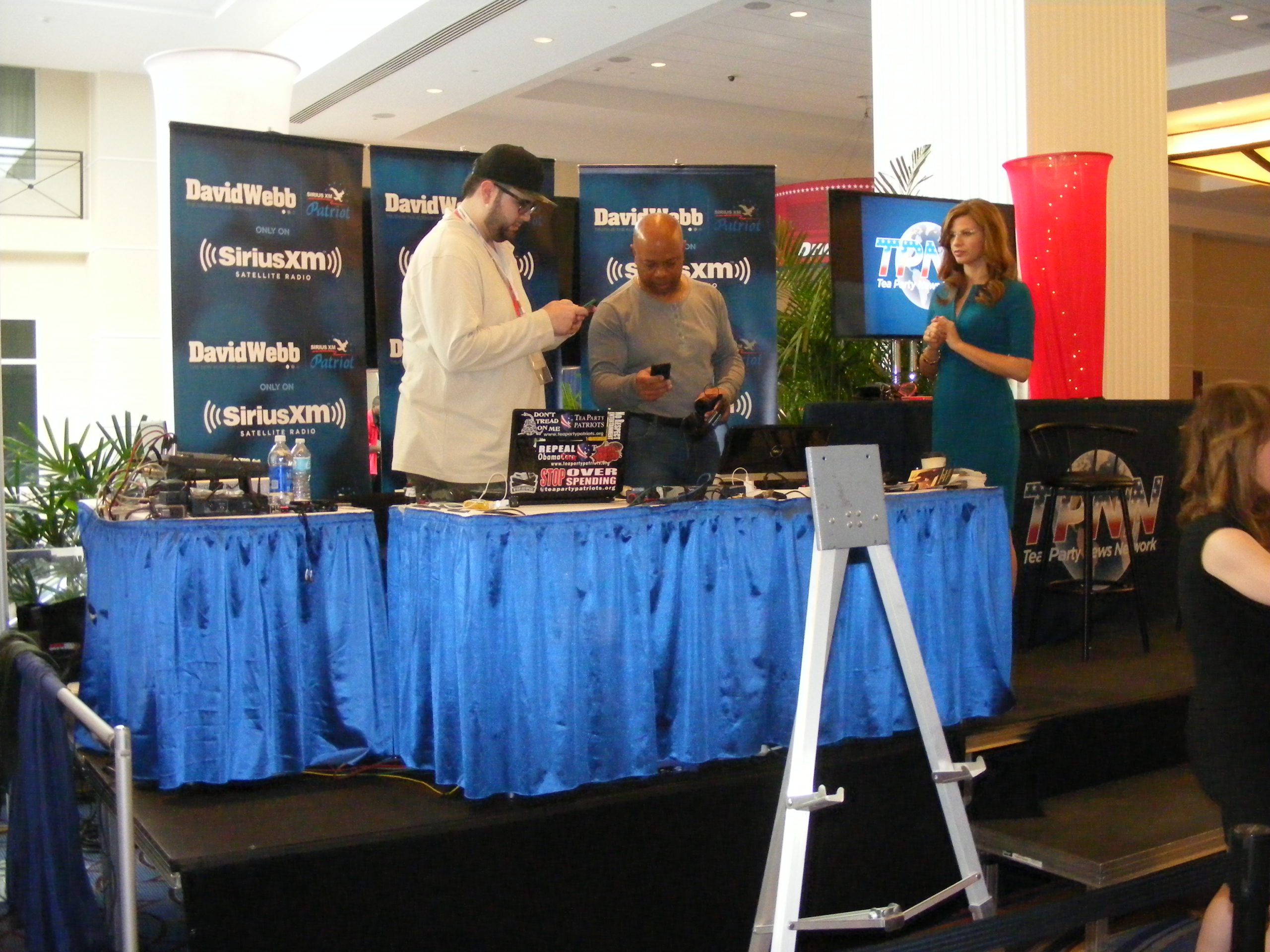
The only complaint I would have was the internet access. It was provided by the TEA Party News Network, which I appreciate. But it was overwhelmed, with the best analogy I could give being that of sending a Yugo to run a NASCAR race.
I would have liked to do more Tweeting from the event, but it simply wasn’t possible.
Since I knew Sarah Palin was slated to speak at noon, I was upstairs a little early. I came back just in time to see a former Democrat speak.
Artur Davis is a former Congressman (and onetime Obama supporter) who has come around to the conservative side. Davis pointed out that the 43 million conservative voters in America are the country’s largest voting bloc. “This is our America too and we are not going anywhere!,” he exclaimed.
At last, Sarah Palin was introduced.
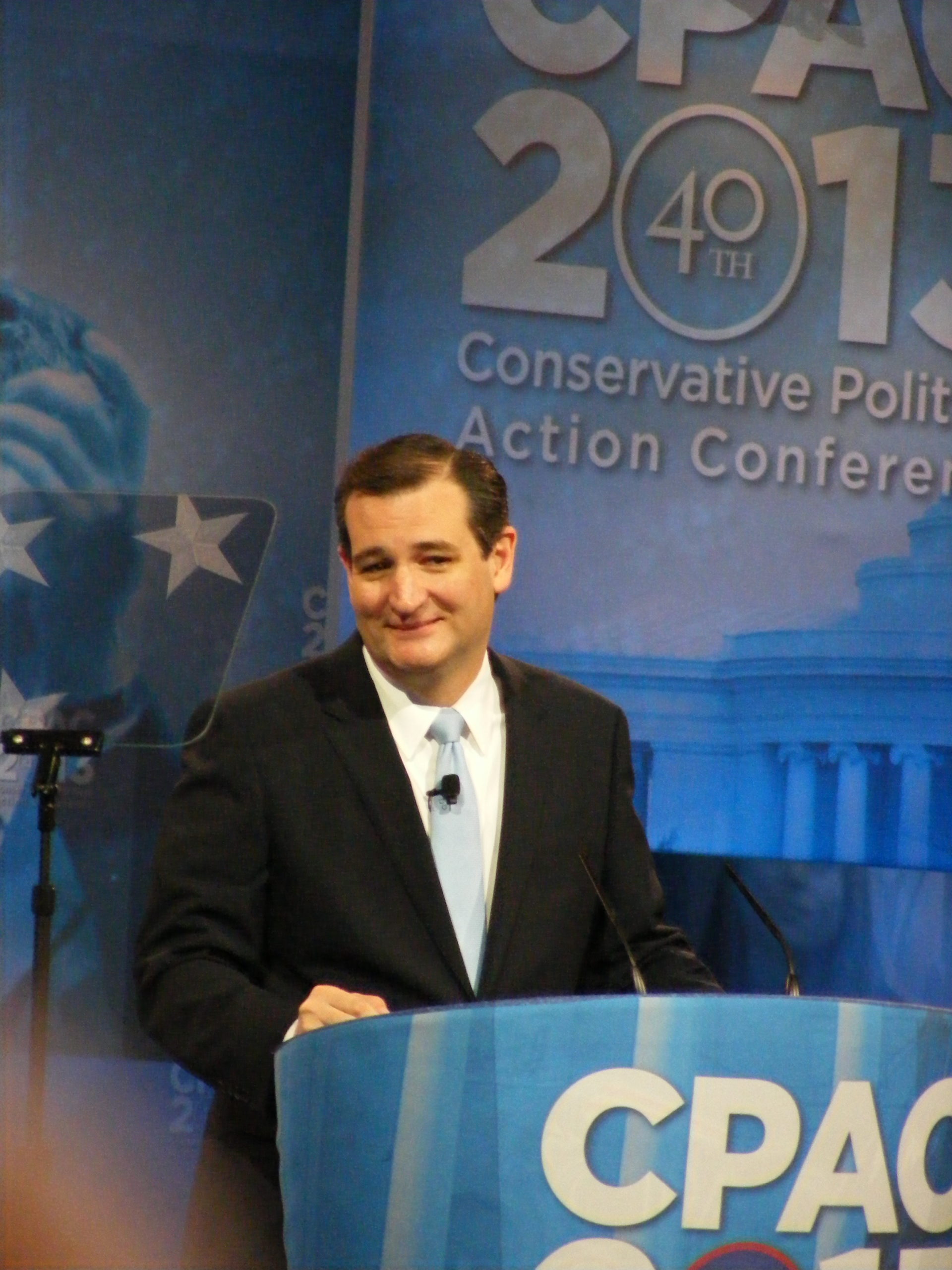
No, that’s not Sarah nor is that a mistakenly-placed picture. “As all of you know, I’m not remotely cool enough to be Sarah Palin,” opened Senator Ted Cruz. “She drives the media batcrap crazy.”
But he stepped out to proclaim that Sarah Palin was among the biggest reasons he was in the Senate. “She picks winners,” said Cruz, citing as examples Rand Paul, Marco Rubio, Tim Scott, Pat Toomey, and Nikki Haley in 2010, along with Deb Fischer, Jeff Flake, and Cruz last year.
“I would not be in the Senate today if it weren’t for Governor Sarah Palin,” concluded Cruz. “She is principled, she is courageous, and she is a mama grizzly.”
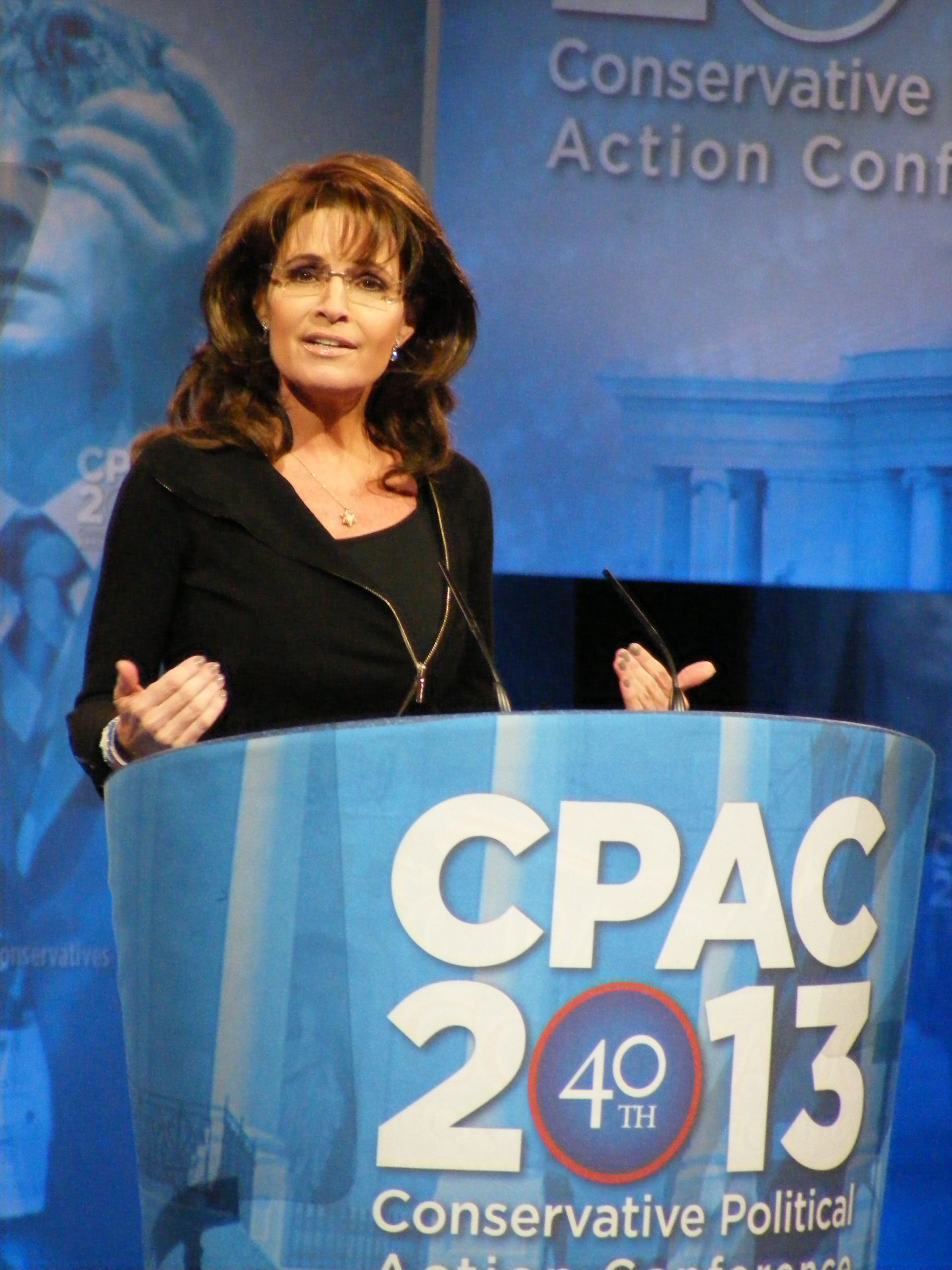
Palin’s speech has been reviewed as one chock full of one-limers and quips, and it was.
However, she made time for chastising the Senate for not passing a budget. She also pointed out that leaders take risks while campaigners make promises and made the case that “we’ll never win a contest of identity politics.” Sarah also warned us to not let the media intimidate us and had the prescience to quip “the last thing we need is Washington, D.C. vetting our candidates.” She advised the inside-the-Beltway crowd to “get over yourself.”
But Sarah Palin’s seminal moment was the Super Big Gulp. I think the Southland Corporation owes SarahPAC a pretty hefty contribution for the free advertising they received from this one gesture – somewhere around National Harbor a 7-11 should be advertising that they sold Sarah’s Big Gulp. I wondered why the lights were dimmed before Sarah’s performance – the three roadies were delivering her prop.
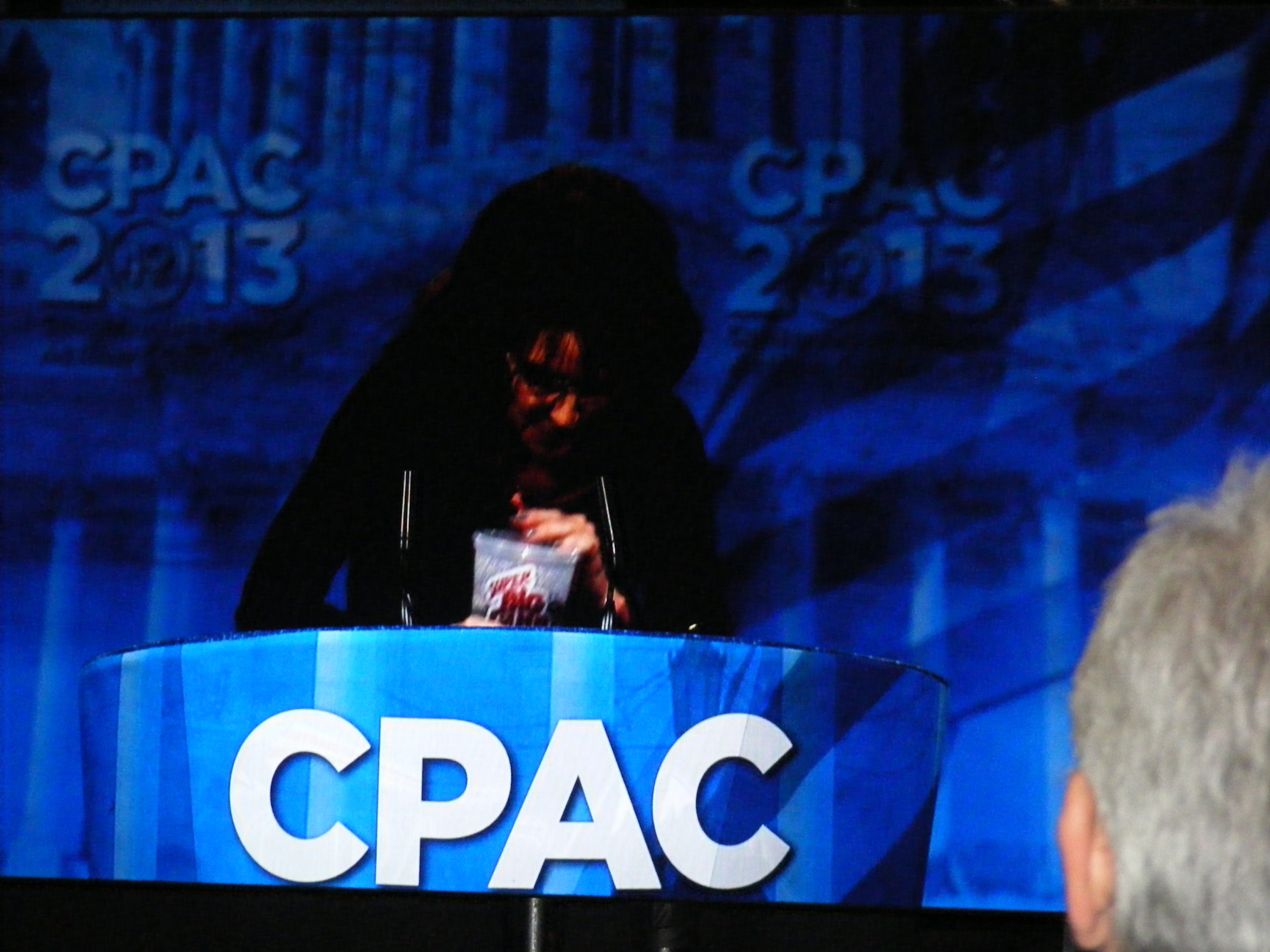
(The picture is actually a photo of the monitor in front of me at the time.) But my burning question: was it Coke or Pepsi?
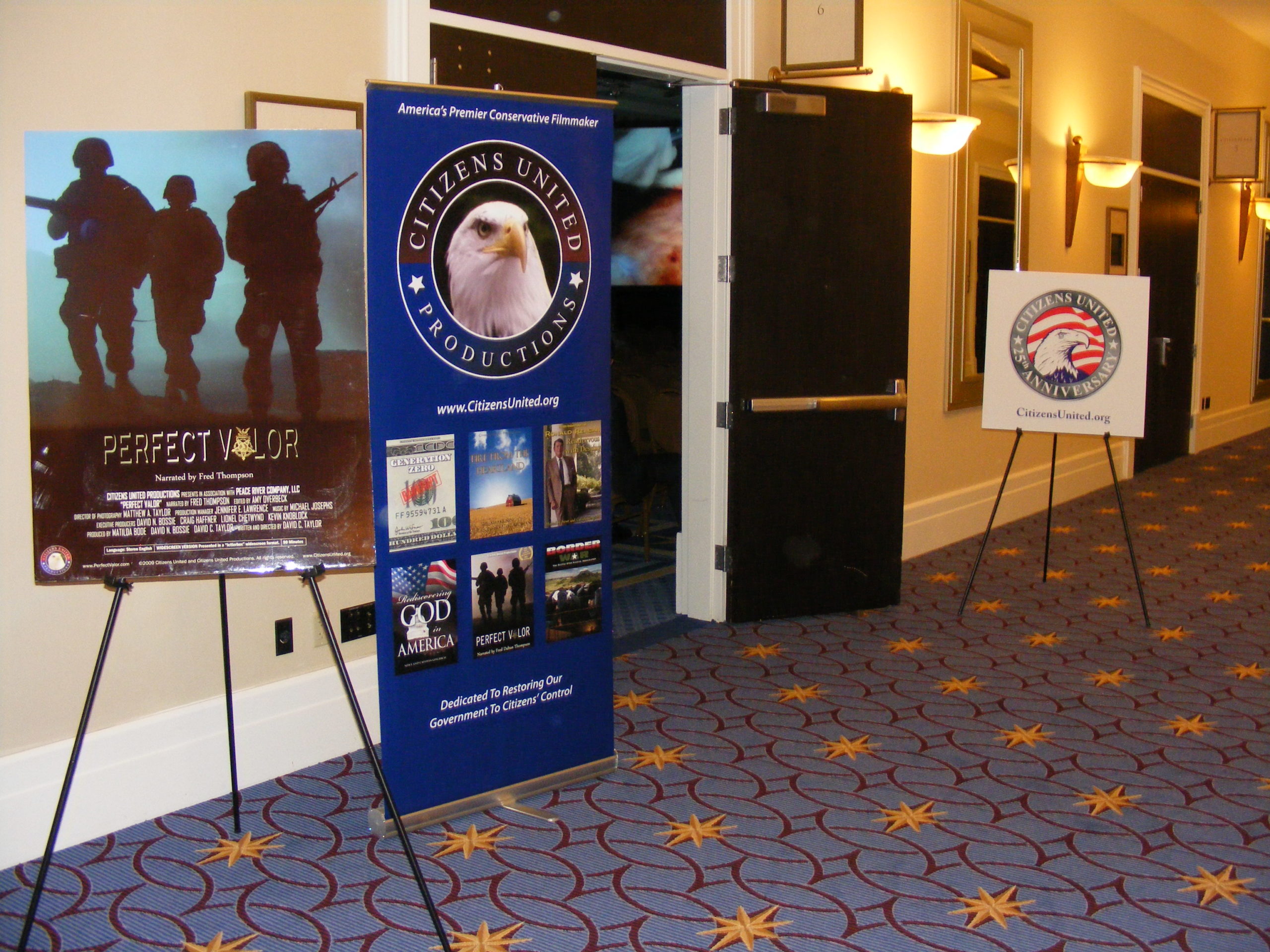
After Sarah finished, I decided to do a little more exploring. Going upstairs I saw the screening room for a number of movies sponsored by Citizens United.
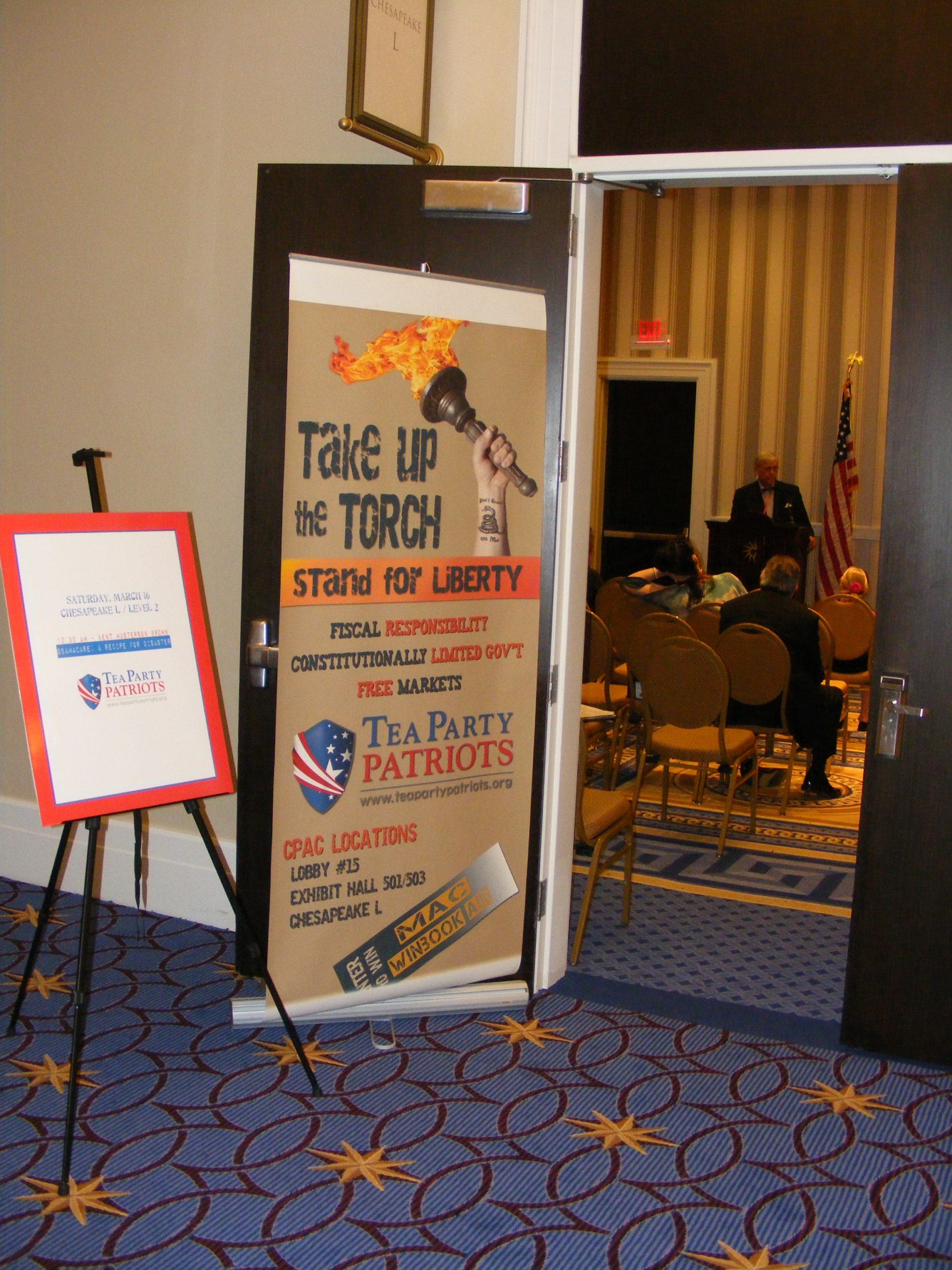
There were also breakout sessions going on, like this one wrapping up from TEA Party Patriots.
But the real reason I went there was that a flyer had advised me of a Breitbart News-sponsored event dubbed “The Uninvited.”
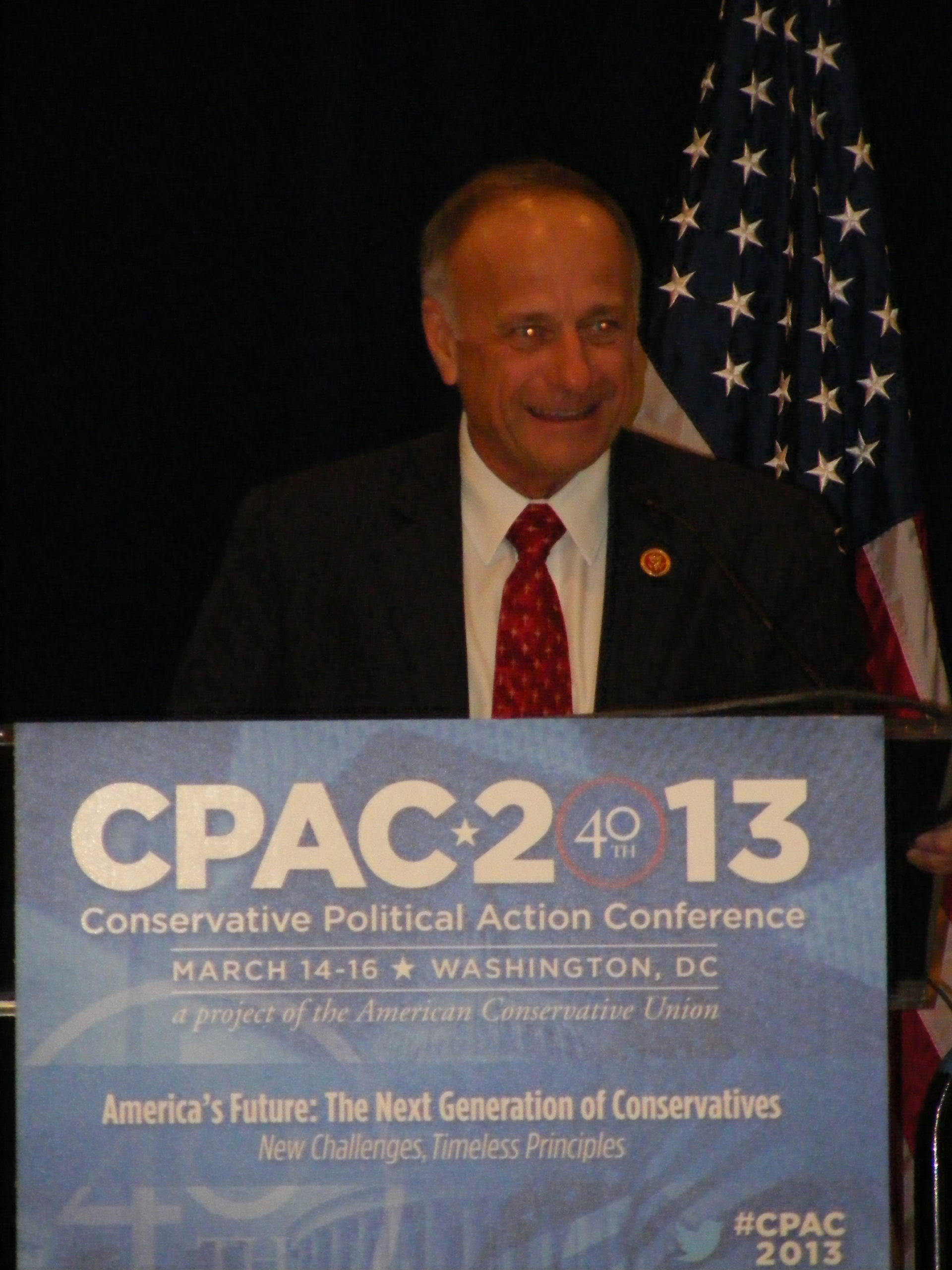
I got a picture of Steve King which turned out this time, as he introduced the event by speaking about Andrew Breitbart, a man whose “integrity was essential.” Breitbart’s CEO Larry Silov added that “we must be willing to discuss issues.”
This was an event was intended to address some items which weren’t featured prominently enough on the main CPAC stage: global jihad, persecution of Christians, gutting the military, and immigration were cited. Among the “uninvited” speakers was Pamela Geller, who was also featured at Turning the Tides. They had a packed house.
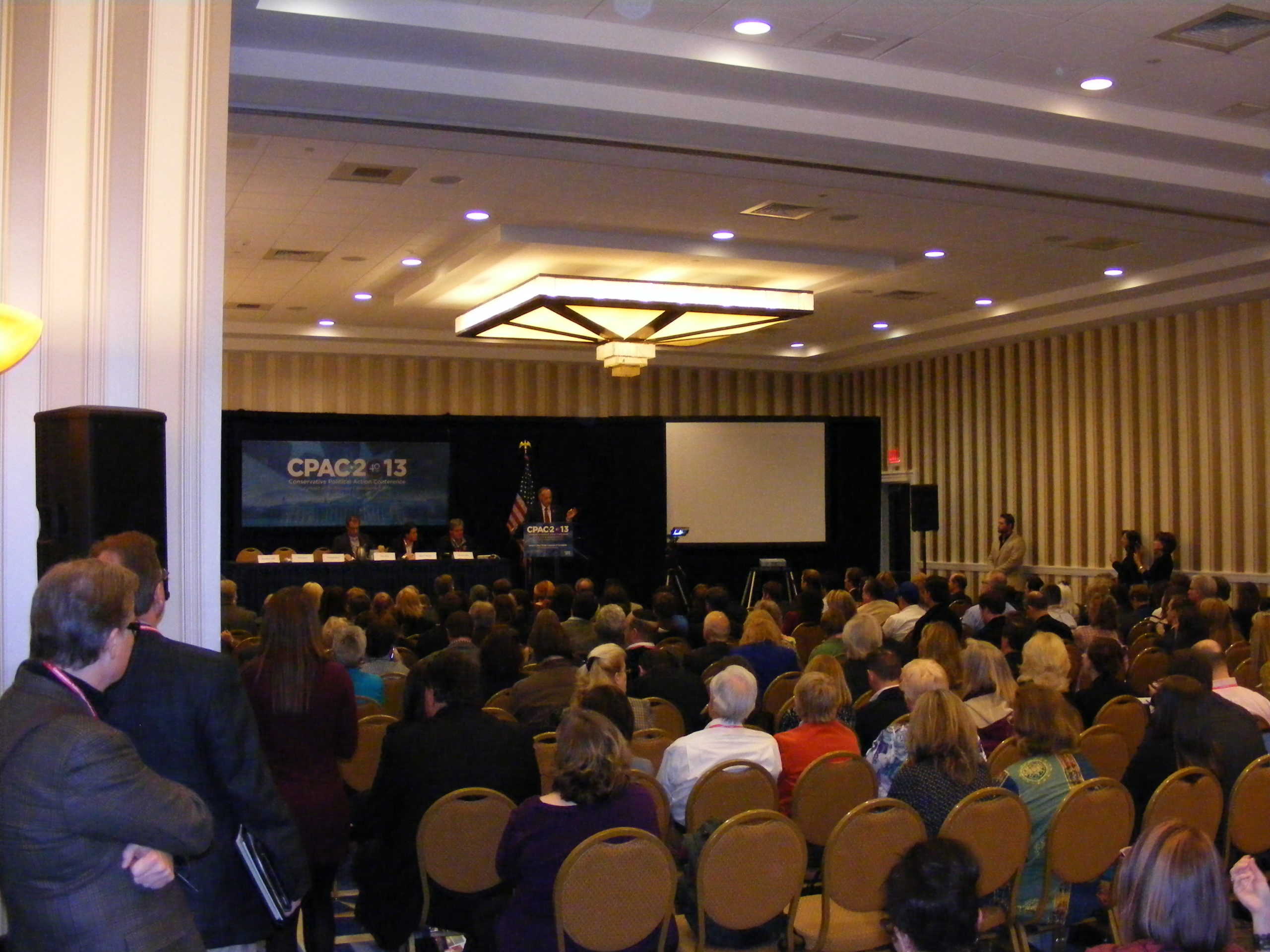
I didn’t stay for the event, which is the thing about CPAC: it’s way more than one person can see. (The same goes for several of the films screened there as well as the breakout sessions, which occur at the same time as speakers and panels downstairs.) The Uninvited event is covered well on Breitbart’s site, though.
Instead, I had a meeting of sorts to attend. Some of you who have seen my Facebook page have already seen this shot.
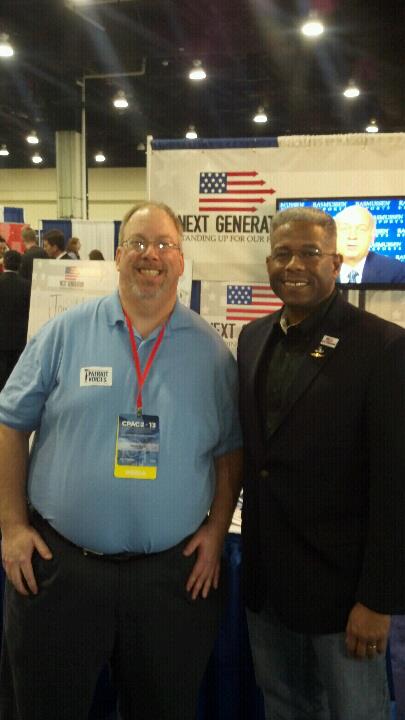
When I had stopped by the PJ Media booth earlier, I was told Lt. Col. West would be there at 1:30 and I arrived just in time to be behind Jackie Wellfonder in line. So I took advantage.
By this time, I decided to head back up so I could see Mia Love, a rising star in the conservative movement. But because they were running somewhat behind, I caught some of the stories of the “Conservatives Under 40” featured as a panel.
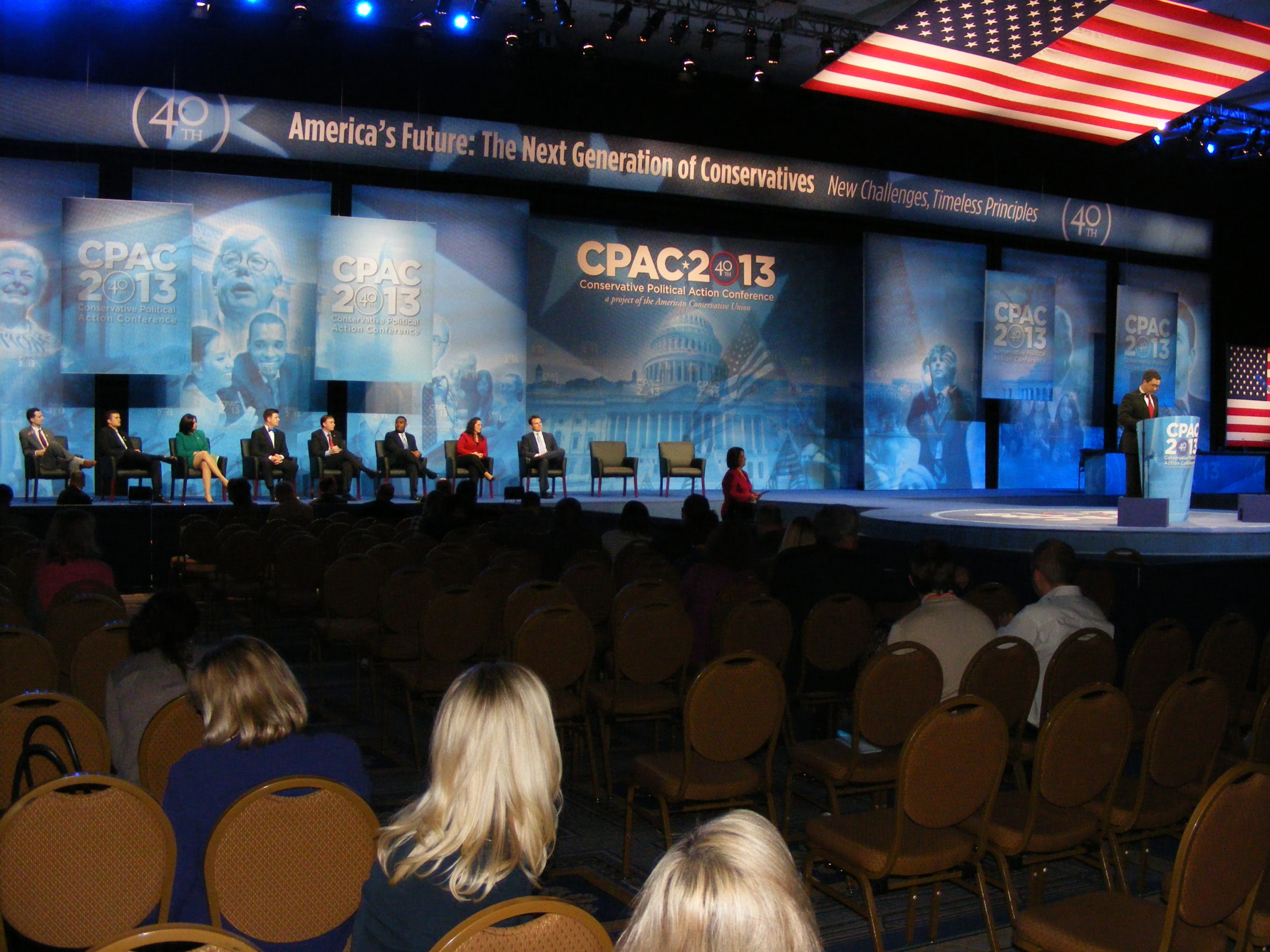
Next up was a panel headed by former Senate candidate and Hewlitt-Packard CEO Carly Fiorina, who believed “this is the century of brain power and innovation.” She was joined by Texas Comptroller Susan Combs, who cited the “U-Haul test” and quipped “California is Washington, D.C. in waiting,” and New Mexico Congressman Steve Pearce, who asserted that our business is what separates us from South Sudan – they have no “kinetic energy.” The panel eventually suggested that perhaps a million small-business march on Washington may be needed to build awareness of their issues.
Brent Bozell spoke next, pleading his case that we need to stop listening to professional politicians and consultants who are most responsible for our “trainwreck.” He also ticked off a list of things which “aren’t conservative” like the new Ryan budget, House leadership, Jeb Bush, Bob McDonnell (who can “forget his national aspirations”, according to Bozell), and Karl Rove. The mention of Rove drew a chorus of boos from the audience.
We would work with these guys, said Brent, but it would have to be on our terms: “our days of playing second fiddle to moderates are over,” concluded Bozell.
We finally got to listen to Mia Love, who was introduced by comedian Stephen Crowder as a woman “liberals check under their bed for.” Somehow I had a lot of good pictures of her, this was the best.
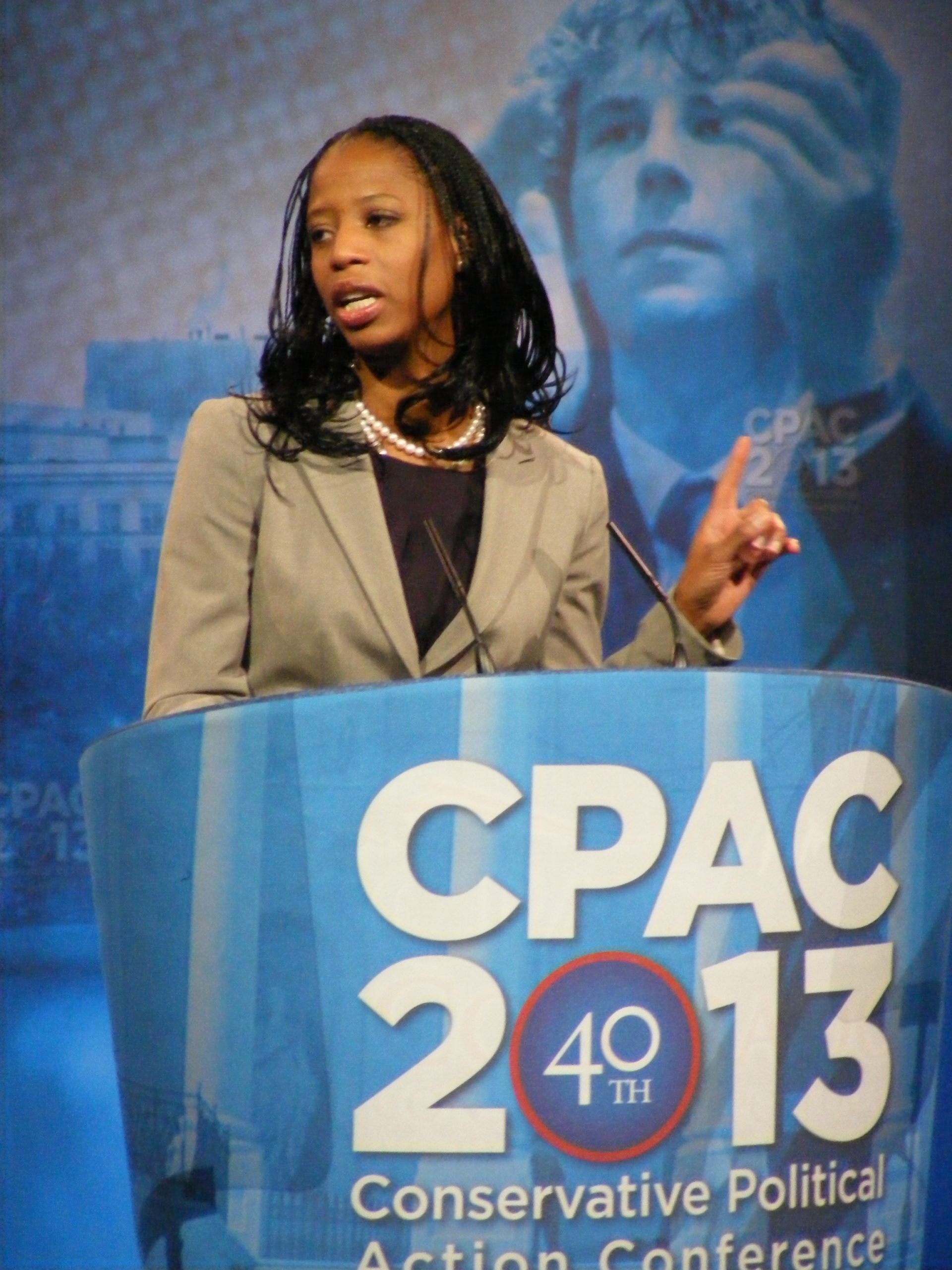
“The pundits of doom and gloom would have you believe all is lost,” said Mia. But her upbeat message was of great cause of confidence: we can restore our confidence in this country and stand out as examples of what is good and right.
Next up was the final panel of the day. a confab called the CPAC All-Star panel.

I’ll admit that I spent the better part of my time this panel was speaking in writing the first portion of Part 1 of this series, but my ears perked up when Larry O’Connor of Breitbart News mentioned Andy Harris’s evisceration of CDC director Tom Frieden over the effects of the sequester.
After the All-Star Panel concluded its work, Dinesh d’Souza spoke on the upcoming film “America,” which as he stated, highlights the idea of the self-made man. This “couldn’t be more different than Obama’s idea,” which to d’Souza seemed to be one that the free market is a form of theft.
The film will ponder the question “what if America didn’t exist?”
RNC Chair Reince Priebus noted that the “House Republican budget is right for America” while the Democratic budget never balances. He also believed we need to introduce the government to the Tenth Amendment.
“Conservatives have to hold the government accountable,” Priebus concluded. “I applaud the new generation of liberty-minded Republicans.”
NRA head David Keene embraced Priebus after being introduced to speak, saying “he is a guy who gets it.” He also recounted a long history of conservative vs. establishment Republican battles dating back over a half-century and reminded us that 50% of voters under 30 voted for Ron Paul – but party leaders don’t really want voters in their clique, Keene said.
Political movements have two choices, said Keene: they can grow, or they can die. It was interesting to hear a member of the old guard speak to a crowd mainly comprised of those two generations younger, as we shall soon see.
Rep. Cathy McMorris Rogers was another warmup act, one who cautioned us that “for too long we’ve been talking like bookkeepers rather than leaders.” She added, “we need to be the party of the 100 percent.”
After giving out the video of the year award to the University of Georgia College Republicans and the Blogger of the Year award to Katie Pavlich, who accepted the award and told us bloggers “we have the world in front of us to conquer, so let’s do it,” we finally got to one of the last featured speakers.
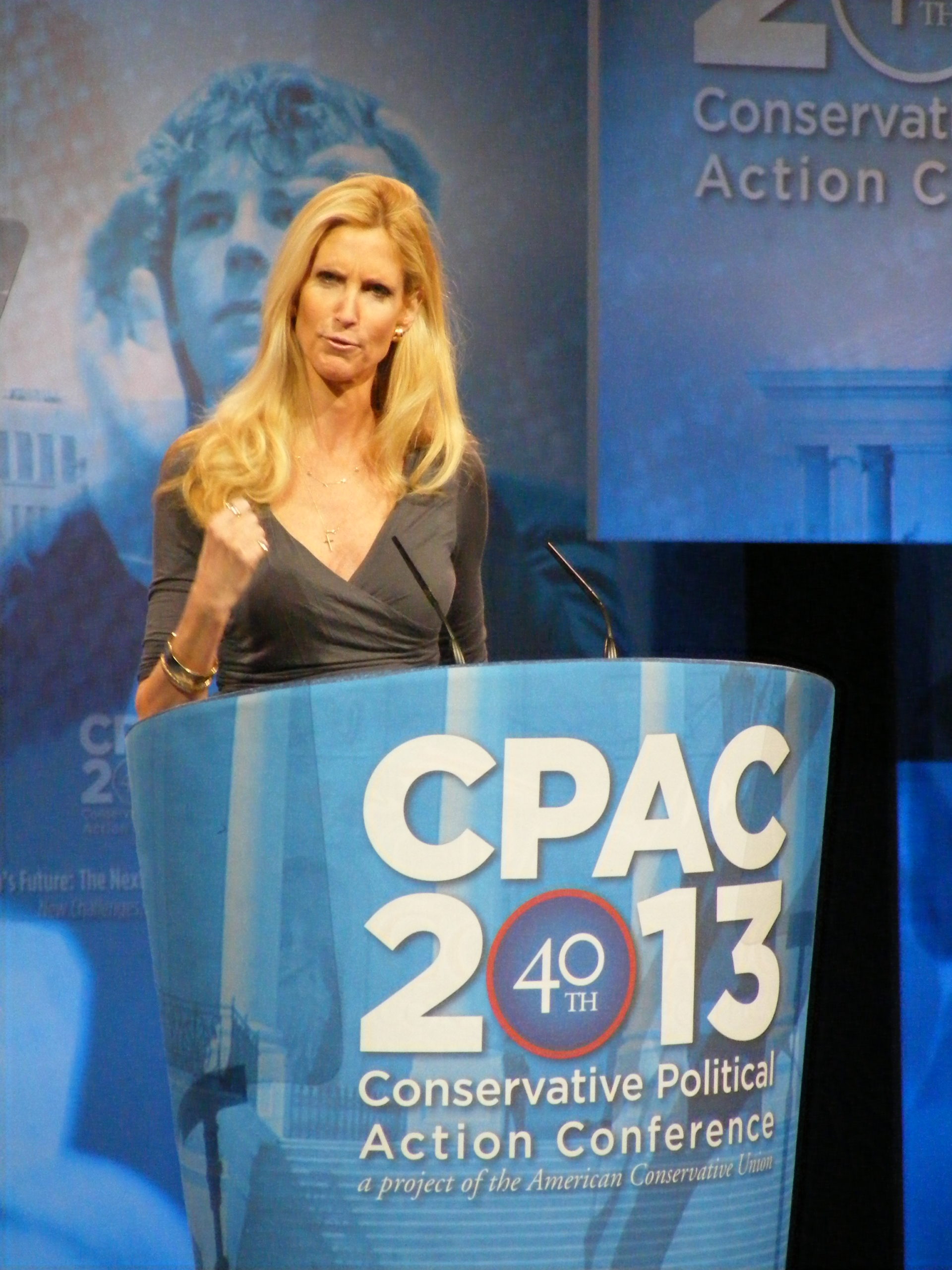
Ann Coulter was her usual snarky self, particularly snapping at onetime Coulter favorite Chris Christie: “Even CPAC had to cut back on its speakers this year, by about 300 pounds.” Later, when answering an audience question about whether Christie should have been invited to CPAC, Coulter said “I’m now a single-issue voter (on immigration), so Christie is off my list.”
She also made the point of tax hikes, rhetorically asking the question sure to come from the media: Are you saying that you wouldn’t even take $1 in tax increases for every $10 in spending cuts? “See, the problem is, we’re the Indians and the Democrats are Andrew Jackson,” replied Coulter. “We’ve been through this before.”
But she got serious during her remarks, telling the audience “the reason we don’t have the Senate is because Republicans keep screwing up. I can think of about ten Senate seats in the last three election cycles that we’ve pissed away through narcissism, greed, or stupidity.”
“Passion is great, but scoring is all that counts,” said Coulter. “On the basis of this one boneheaded statement by Todd Akin out in Missouri, Democrats finally had their talking point: the Republican were waging a ‘war on women.'”
But, countered Ann, “your average Democrat actually believes things much crazier than Todd Akin – but the Democrats don’t let their candidates open their mouths and say stupid stuff.”
Philosophy is not the Republicans’ problem, though. “Conservatism is about the only thing Republicans have going for them.”
She was also harsh on the pro-amnesty wing of the Republican Party, saying “if amnesty goes through, America becomes California and no Republican will win another national election.” Instead, Republicans shouldn’t be desperate and adopt amnesty because Democrats want it. “People always announce their complete triumph a moment before their crushing defeat,” concluded Ann. “Our job, Republicans, is to insure Democrats have that crushing defeat.”
After Coulter finished, the CPAC straw poll results were announced. What blew me away was the percentage of under-25 people who participated, although it should have been apparent in the crowd. Rand Paul and Marco Rubio paced the field. Coming in a distant third was the top 2012 candidate on the ballot, Rick Santorum. (My vote was among the ‘other’ category, since I preferred Indiana governor Mike Pence.)
Finally, we reached the penultimate speaker, newly elected Senator from Texas Ted Cruz.
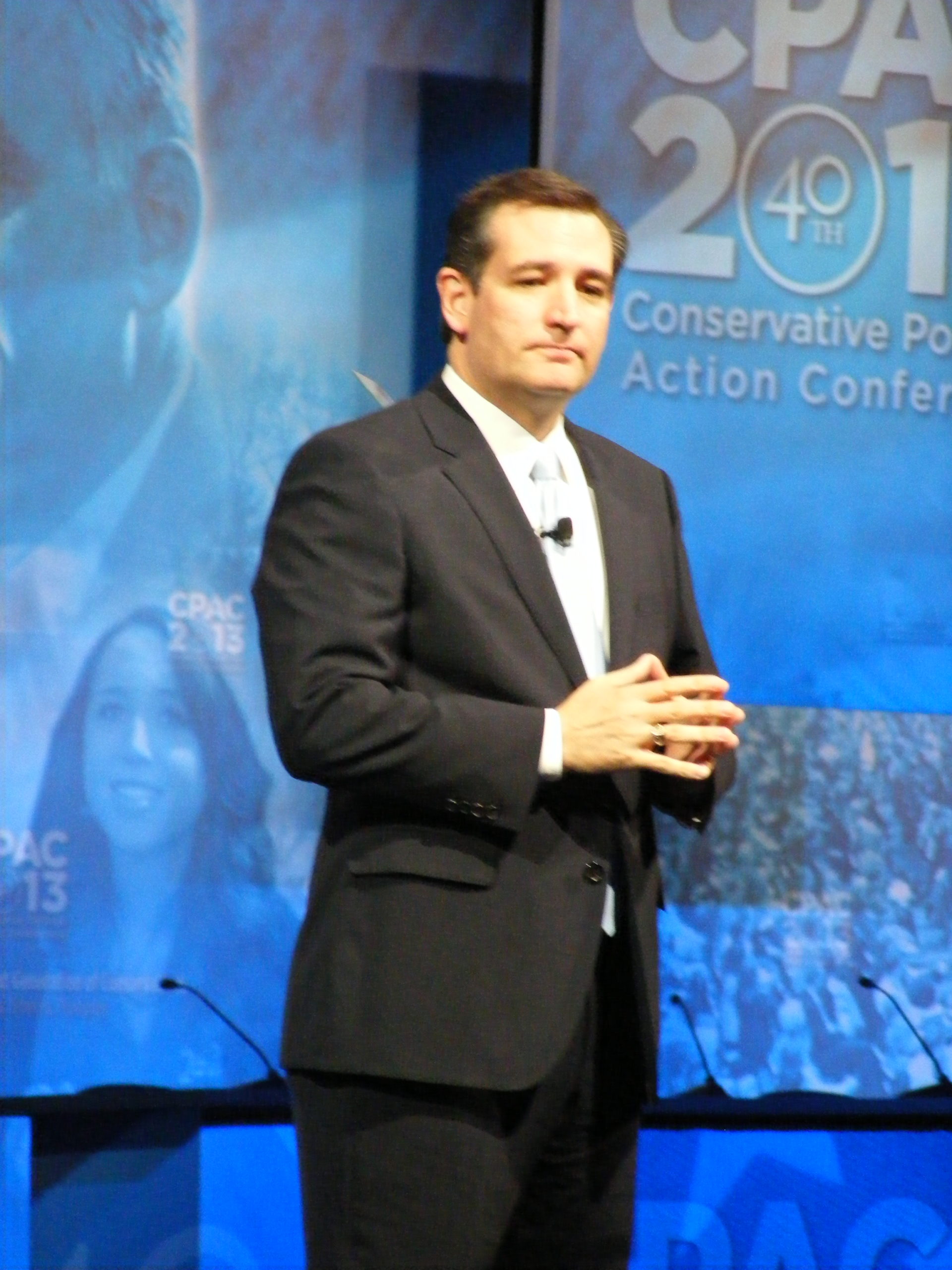
In his remarks, it’s noteworthy that Cruz spoke in front of the podium, which to me suggests either he memorized his remarks or spoke completely off the cuff, or both.
He opened up by commenting on being called a ‘wacko bird’ by John McCain: “If standing for liberty makes me a ‘wacko bird’ then count me as a proud ‘wacko bird.'”
Cruz revealed one of the biggest surprises he received upon entering the Senate was their defeatist attitude, as he countered that “for the last three weeks, conservatives have been winning.”
On the Rand Paul filibuster, Ted pointed out that the filibuster drew more support as the night went on. “Each of you engaged,” said Cruz. It was something not seen in a long time – “standing on principle.” Ted also revealed the filibuster was the very first time he had spoken on the Senate floor.
Cruz also believed we were winning on sequestration, based on the lack of reaction to Barack Obama’s “scare America tour.” The sequester was a “small step” in reining in the debt.
As part of that, another victory in Cruz’s book was the vote on an amendment her offered to repeal funding for Obamacare. “Now I’ll confess: a couple weeks ago when I said initially I was going to offer that amendment, more than a few of my colleagues were not thrilled. And yet we saw every single Republican in the Senate vote unanimously to defund Obamacare,” said Cruz. On the other hand, all the Democrats voted to keep Obamacare, “even if it pushes us into a recession,” as Cruz charged.
But the key to continue winning is twofold, to defend the Constitution and champion growth and opportunity. “Defend the Constitution: liberty is under assault from every direction,” stated Ted. He cited threats to several parts of the Bill of Rights, particularly the Second Amendment and the Fourth Amendment. “We need to repeal the NDAA,” said Cruz to thunderous applause.
He also mentioned threats to our sovereignty. “We (the state of Texas) stood up to the President of the United States – who happened to be a Republican – and I went before the Supreme Court of the United States and said no President, Republican or Democrat, has the Constitutional authority to give away U.S. sovereignty.” Adding that Republicans stand up to Republican presidents, Cruz continued “where were the Democrats when Rand and the rest of us were standing on the floor on drones?”
On growth and opportunity, Cruz charged “we are in the midst of what I call ‘the Great Stagnation.'” Only twice in the postwar era have we seen less than 1 percent growth – from 1979-83 and over the last four years. “Obama didn’t learn the lesson from Reagan,” said Cruz. Instead, we need to embrace “opportunity conservatism,” a philosophy to ease the means of ascent up the economic ladder. To do this, we need to do a laundry list of things: repeal Obamacare and Dodd-Frank, eliminate corporate welfare, build the Keystone pipeline, rein in the EPA, audit the Fed, stop QE infinity, abolish the Department of Education, champion school choice, stand with Israel, and stop sending foreign aid to nations that hate us.
Speaking to the audience, Cruz told us it was up to us to spread the message. “There are no longer gatekeepers that can decide what the American people hear and what they don’t get to hear.” He named his site as one means of doing so, but concluded by saying “we’re here because we’re not willing to give up on America.”
Okay, I’m out of pictures, but I’m not quite finished yet.
One goal of mine was to meet fellow bloggers and promote my site. I handed out a few dozen business cards, found a couple promising leads for freelance work, and did what networking I could. But perhaps the best part was getting to meet a few of the bloggers I’d read from afar as well as make a couple new acquaintances, such as Bill Hughes, who, like me, drove down to CPAC for the day from New Jersey and was my next-door neighbor for part of the day at the media table, or Deb from Kansas (bloggers would know her as Nice Deb.) That introduction was made as I was talking with Cynthia Yockey, who I met for the first time after being linked to her for quite awhile.
And I’ll be interested to see how I turned out on DaTechGuy‘s video, since I was among the last to be featured. Maybe next year I’ll get some cannoli. I also got to meet a woman whose link from my site, if I’m not mistaken, was her first: Becca Lower from my native state of Ohio. If I heard correctly, she was a CPAC volunteer, which is really cool and commendable.
Nor can I forget some of my biggest fans, who saw me as I walked in the door: Larry and Rosemarie Helminiak spotted me and said hello, which made me feel a little more at home.
So that’s how my day went. Last year I stated making it to CPAC was one of my goals for 2013, and I accomplished it despite the limitations placed on me by my other jobs and funding. Next year, though, I’d like to experience the whole event, an endeavor which could run into the four-figure range depending chiefly on accommodations. 2 1/2 hours each way is a bitch of a commute, as I found.
I don’t normally ask this, but if you liked my coverage of CPAC and want to see more, the best way to insure that is rattling the tip jar early and often. People want to know how the mainstream media can be countered, well, here’s an opportunity to get the straight story if you care to support it.