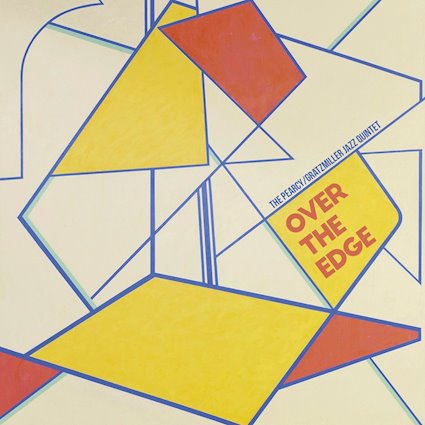
I am going to freely admit to you that I am about as far from an aficionado on jazz as Boston is from the Eastern Shore of Maryland. I don’t think that in almost five years of doing these reviews that I have ever come across what the artists describe as “modern hard bop jazz.”
So I also have to admit it’s a little difficult for me to say whether this is a great or groundbreaking album. Another problem with having ten instrumental songs is distinguishing them by title, since the title of any particular song is completely up for interpretation.
To me, jazz composition has a similarity to listening to a jam band, one which has no problem taking a song and noodling and doodling around with it until you realize they’ve been playing the same thing for 15 or 20 minutes. Think Peter Frampton’s Do You Feel Like We Do or Green Grass And High Tides by the Outlaws as examples – already long songs in the studio, they were improvised to maximum DJ smoke break length while in concert. While the songs on “Over The Edge” range from four to nine minutes in length (the compilation of ten songs lasts 68 minutes) they could easily be twice as long performed live if they like the groove.
So the way I listened to it, once I caught on to the trick of the genre, was to use it a little bit like background noise. But I couldn’t help noticing how tight the songs sounded despite the fact they were freeform compositions. Unlike rock, which tends to be progressive in its chord structure, there’s no set formula for jazz, which allows any of the five instruments involved (or combinations of same) to take a lead role while others provide a rhythm or harmony.
The creators stated their intention: “to create a modern album that classic jazz listeners could also enjoy. We made an effort to capture the spirit and tradition of classic quintets from 50’s and 60’s while mixing in modern elements, particularly in the areas rhythm and song form.” If you’re a classic jazz listener, I wouldn’t hesitate to tell you what I tell people in most of my reviews: don’t let this fish out of water be the judge, go ahead (despite it being the dreaded Spotify) and listen for yourself.
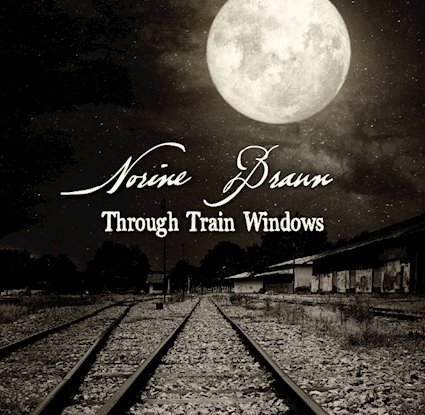 An album that is hot off the press – released yesterday, as a matter of fact – Norine Braun brings an interesting backstory to her music with her latest effort.
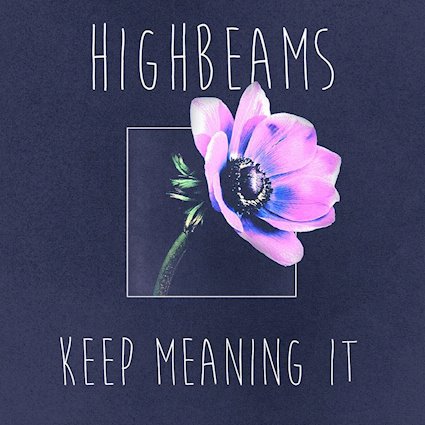 The first time I went through this very recent (as in it hit the streets this past Monday) release by the Georgia-based band of brothers called Highbeams, I sort of put it in the pile of, “okay, but meh…”
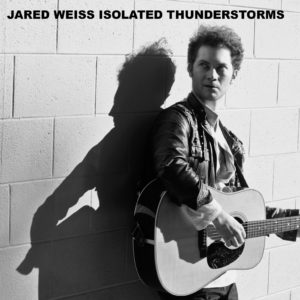 As the last in a long run of records I was asked to review, I hesitated to write about such a CD given the summer we’ve had. But this is an isolated thunderstorm you really won’t mind too much because it’s actually rather refreshing.
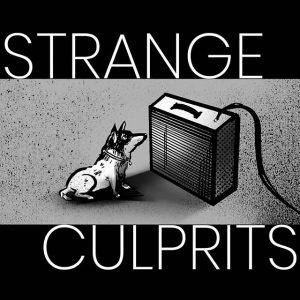 If there were an award for most appropriate group name, this one may be the winner. Indeed, there are some strange songs on this debut album from the Bay-based group Strange Culprits. (That’s San Francisco’s bay, not the Chesapeake.)
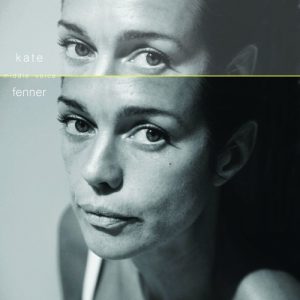 This relatively new release from Canadian-born, now New York-based Kate Fenner is aptly named if you recall as I do the old format called “middle of the road.” While she describes it as folk, it’s not so in the traditional sense, but more in the getting
 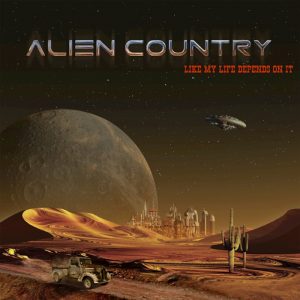 Buried well back in the track listing for this release by country-tilting rocker Alien Country is a song called How It Could Have Been, and it’s the perfect metaphor for this messy, fussy album.
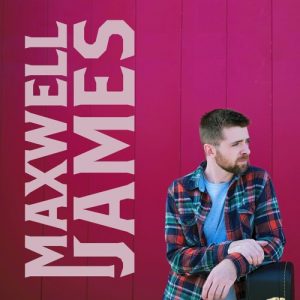 It’s only five songs, but as a market teaser Maxwell James has himself a pretty good start. Putting a modern twist on traditional country straight from the get-go with The More You Say, The Less I Know, he takes a trip into the shared roots of rock, country, and blues.
 Another followup from a monoblogue music
  I don’t often tread into the world of jazz for these reviews because I’m not nearly as familiar with the genre – simply put, it’s not my favorite. I don’t have a preset on any local station that happens to play music from that corner of the musical world.
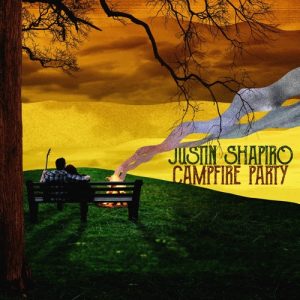 Everyone has a musical sweet spot, and great albums will gravitate toward it.
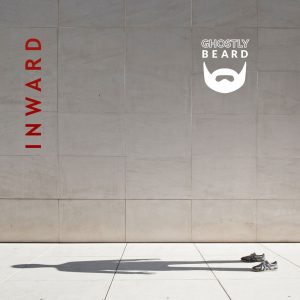 Years ago, a now-failing retailer tried to change its manly image honed by years of being best known for selling tools and appliances by billing “the softer side of Sears.” Ghostly Beard is one of the few artists who purposely bills himself as “soft rock” – a contradiction in terms, but perhaps appropriate in this case.