
monoblogue music: 2016’s top 5

For year three of this enterprise I was a little disappointed that I had fewer records to review; however, the Top 5 would still compare favorably to the group from either of my other years. Again, it is a relatively diverse list that spans a number of genres and styles.

After going back through all the reviews and reminding myself why I liked these albums, here is your top 5 for this year.
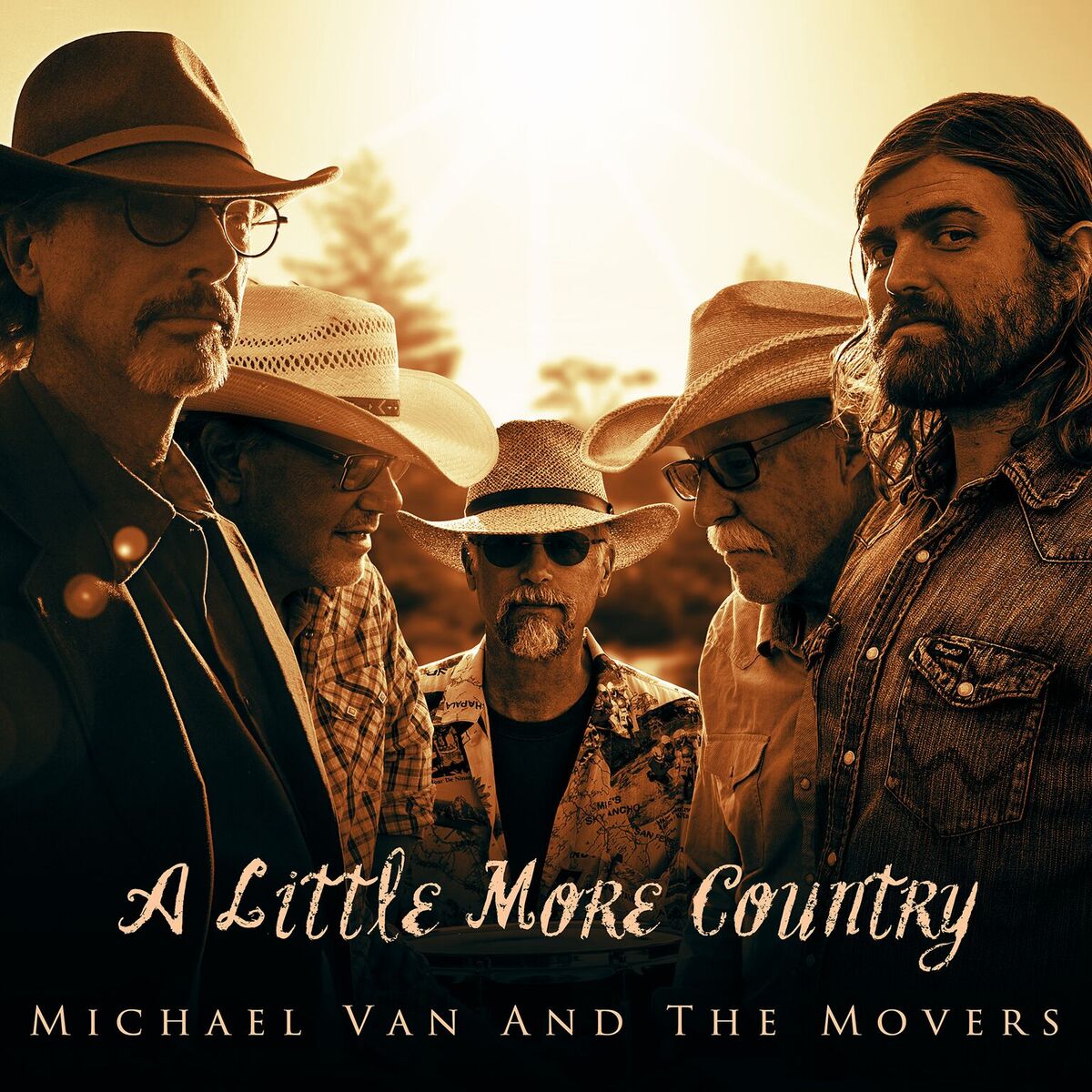
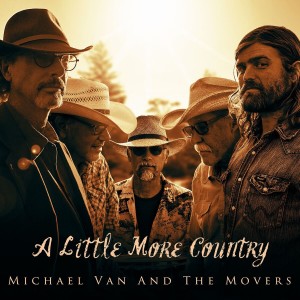
5. “A Little More Country” by Michael Van and the Movers

Original review: December 10.

This album (as well as another in my top 5) represent a little bit of a rebellion against the state of country music today. Outstanding instrumentation and good songwriting are the hallmarks of this California-based group. It may be a surprise to listeners that they don’t hail from the hollows of hill country.

“A Little More Country” is the product of good collaboration between the three bandmates that wrote 12 of the 13 songs, and they picked a very appropriate cover song to close the album. We will see what 2017 brings for this five-member group.
4. “New American Century” by Midwest Soul Xchange

Original review: January 2.

Going from the last to the first, and a studio collaboration between five musicians to two musicians working in separate locations trying to put together a cohesive whole. Looking back on this one, this was perhaps one of the darker collections I listened to this year, but the pair put this together in a rather seamless fashion. It has a lot of different prog-rock influences, but the one I noticed most was Pink Floyd.

This duo will be one I’ll be interested in updating with a new feature I’m working on for next week.
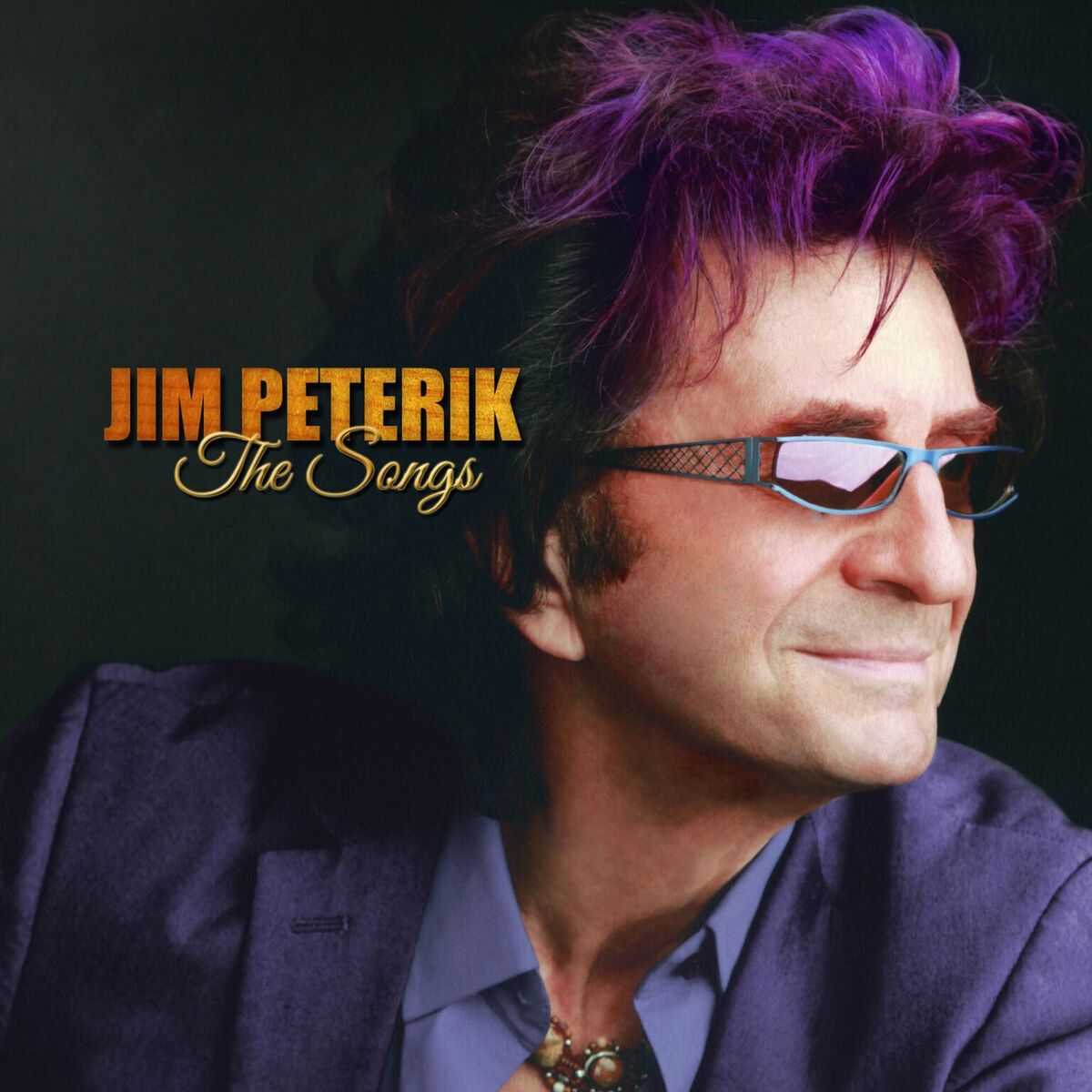
3. “The Songs” by Jim Peterik

Original review: October 8.

One would expect this musical veteran to put out good music, but the hook of this album is the treatment he gives to songs that he wrote decades ago, music made famous by bands like .38 Special, Survivor, Sammy Hagar, and the Beach Boys, not to mention the band he’s most associated with, the Ides of March. So you know the songs but you will be pleasantly surprised by the updates.

After I wrote this review, I found out Peterik is embroiled in legal issues with his former band, Survivor. It will be interesting to see how that plays out, but in the meantime he’s still active with his original Ides of March.
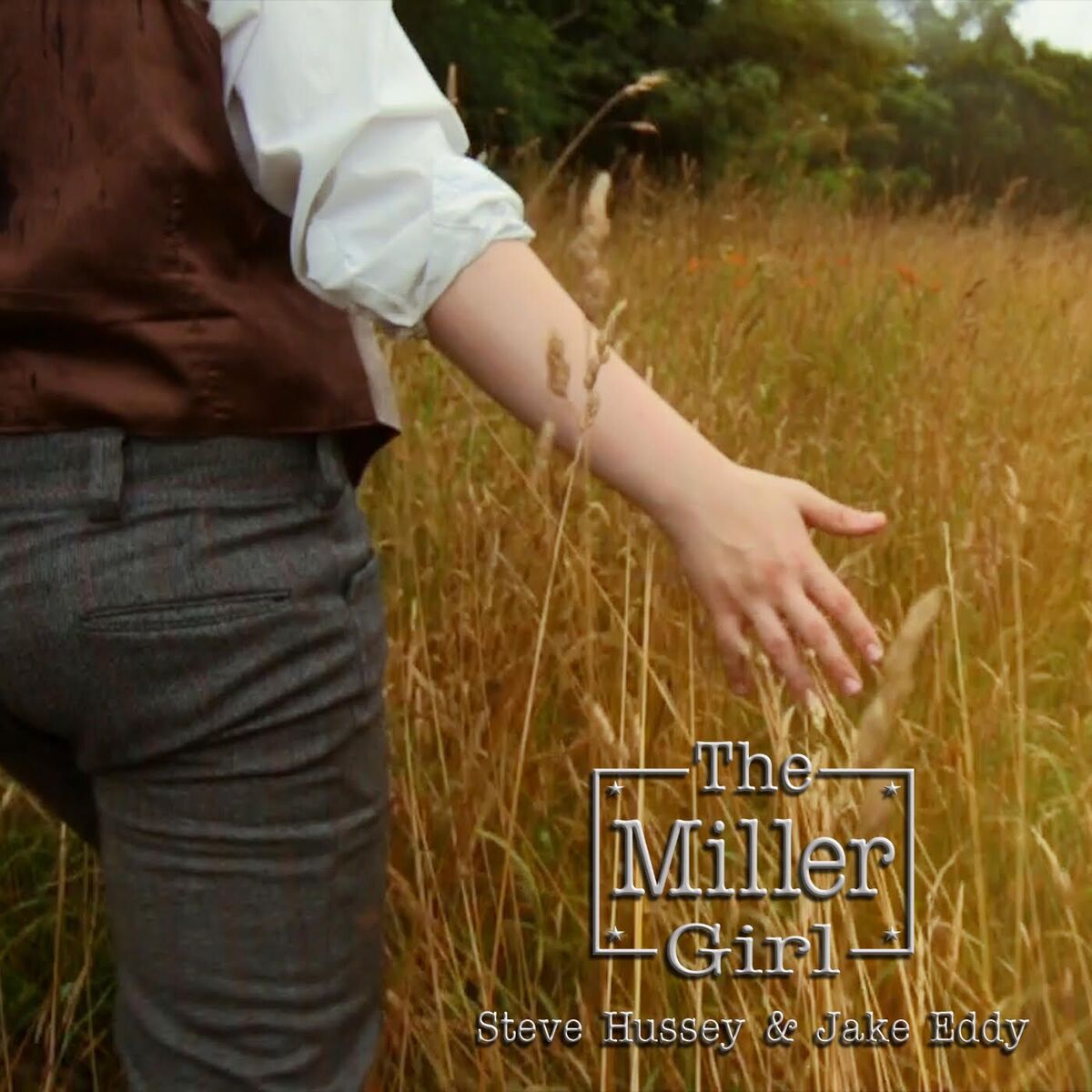
2. “The Miller Girl” by Steve Hussey and Jake Eddy

Original review: October 29.

When I did the December review for Michael Van and the Movers I noted the similarity between their album and this one. Both are fine examples of musical craftsmanship in a genre which places a premium on such things.

But I thought this effort outshone the other, and it’s a merging of two generations of players who have come together to write a great album’s worth of work. Hopefully they are part of a growing backlash against the excesses of modern country music, which more and more resembles the dreaded “power ballad” era in rock but with different instruments. Hussey and Eddy bring an emotion that’s clearly missing in the more modern stuff.
1. “Stealin’ Thunder” by The Magic Lightnin’ Boys

Original review: April 16.

Of all the albums I reviewed this year, this one was most in my wheelhouse because, simply put, these guys rock. Yes, blues-based rock has been waning over the last few years as the hip-hop influence pervades the scene – it’s a recent change that reminds me of being outside on a pleasant sunny day when the wind shifts and suddenly you notice you’re right by a pig farm. Luckily, these guys have their heads screwed on right and put together good music the old-fashioned way, reminding us that the southern influence was what made a lot of classic rock, well, classic.

This was actually a rather easy choice for the number one album I reviewed, and may it spark a revival in a music industry gone commercialized and so, so stagnant.

As I alluded to earlier, next week I want to track some of the bands I’ve honored over the years and see if they are still making good music. That should be a fun post to put together as we all combat the post-holiday blues. Hey, maybe one of these guys can make that into a song!

Since this turns out the be the final post of 2016, I want to take a sentence and wish all of you a happy and blessed 2017. See you next year!
monoblogue music: “A Little More Country” by Michael Van and the Movers

Michael Van - A Little More CountryComing out later this month as the bleakness of winter approaches, this album hearkens back to something you might have seen in your local rural America record store or Sears & Roebuck back in 1969 – honest, good old-fashioned country music with a heaping helping of bluegrass pickin’. I suppose if there were a truth in advertising rule for naming an album, this one would comply.
But unlike those albums which may have graced my dad’s record collection when he was younger (as he likes country music), these songs are more lengthy and, in many cases, more humorous. (Of course, modern technology makes this possible – in the days of the LP, 54 minutes’ worth of music is a two-record set.) But Michael Van and the Movers make this album work by a rich interplay of instruments and voices.

Yet if you watch and listen to the title track, you may swear this could be played on the more modern, formulaic (think “iHeart Radio”) country music stations. I don’t think the fellas in the band would mind some radio airplay, but given the balance of their work I can’t see them sharing a lot of airtime with Blake Shelton, Kenny Chesney, et. al.

Michael Van (the name is actually a shortened version of Van Arsdale) wrote that song, but the album features three of its players as songwriters and vocalists. There are four tracks apiece from Van Arsdale, guitarist and banjo player Pete Ahonen, and mandolin and fiddle player Alan Bond, with the thirteenth and final track a cover of a song done originally by Gillian Welch in 2003 called Look At Miss Ohio. That gave Ahonen and Van a chance at some harmony, which worked quite well.

Whether intentional or not, this collection is set up with the more upbeat tracks up front. A Little More Country is the lead single and track, but I was more impressed with the playing on the next song called Skedaddle Mountain Lullaby. And how can you not like a song with a chorus lyric like “drank whiskey for his health and now the man must die.” It’s a very honest country song, and Gettin’ Drunk On A Monday is another old-line tune to go with it.

There’s a more poignant mood with Love Me Till Thursday, which came across as a very weepy-style ballad, but that spell is broken with Juanita, a tune which has a somewhat Caribbean flavor to it. This song began a trio which showed the humorous side of the group, even if Van is “singin’ out the hurt” on Gimme Back My Guitar. Pretty Penny is a great story song which doesn’t seem overly long despite running over six minutes – in the country genre, that’s like eternity. But if you have a good story to tell, what’s the rush?

With the opening beats of Center Of The Universe, though, the moods change: this and Don’t Mind It If I Do seem to be more prototypical country love songs, while River Road turns introspective, with steel guitar playing a more prominent role. We also get the usual tribute to wanderlust with That Train – which also has a little bit of background harmony to it – and the mixing in of bluesy elements with Sounds Like Rain. This isn’t to say these are bad songs at all, but the more musically adventurous part of the album seems to be in the opening seven tracks. (Interesting to note: from reading the band’s social media page, those in the alternative country music radio business seem to think That Train has “great radio potential.” Let ’em play it.)

As a whole, this album reminded me a lot of another one I reviewed a few weeks back by Steve Hussey and Jake Eddy. Both of these take a genre that overall sorely needs a kick in the pants and bend it back toward what made it worth listening to in the first place. I’m much more familiar with the hard rock/metal scene since that’s what I grew up listening to, so my analogy for the state of country music today is that of where the hard rock genre was as the “power ballad” era was playing out. The players involved may laugh at the comparison, but in a musical sense they are bringing to country what Nirvana, Pearl Jam, Soundgarden, and others of their ilk brought to rock: a sound and passion for it that brings the musical style back to what it was meant to be.

If nothing else, what I admire about the bluegrass end of country music is the craftsmanship that is missing from the commercialized side of the genre. This album is another one that has that quality in spades, and if you want a listen before it comes out, feel free to judge for yourself.

Since this may likely be my final review of 2016, I’ll just say this one is a contender for my top 5 list that I will put out on New Year’s Eve (as it’s a Saturday.) I’m also contemplating a new annual feature to follow up on some of my past winners, so look for that as 2017 begins.

monoblogue music: “Minnesota” by Glenn Meling

This is an intriguing concept album.

Glenn Meling is an Oslo-based singer and songwriter whose vision with this release (his first in seven years and third overall) was to commemorate the 800,000 Norwegians who came to America in the 19th and early 20th centuries, many of them settling in Minnesota. As it turned out, the nine songs on the album range from the celebratory to the subdued, but mainly manage to hew closely to a pop-rock vibe with the exceptions of the piano-based ballad Far Away From Home and The Good I See In You, which I found quite mournful. The problem with Far Away From Home is that Meling doesn’t seem to have the voice to quite execute the song to its potential. The idea works better with the title track, which is still rather mellow but quite effective; however I thought the best example of this brand of song was The New Day, the penultimate song on the album.

In the mid-section of the album Meling gets into more of an upbeat, almost funk-based pair of songs with America and Secret Flower, where the horn section is put to good use.

To me, though, the best examples of Meling’s work were the straight-ahead pop-rock songs that employed just the right amount of harmony in them. These bookend the album, with Alive opening up the set with its fuzzed-out intro shifting to an upbeat song. It rolls over into Brother Jonathan, which is the single. It gives you somewhat of a taste, but I may have gone with the closing track Free as the single because to me it was very reminiscent of something U2 may have done then locked away in a vault someplace to be released as the lost song on a greatest hits album.

I have to admit that I was more lost on this one with my initial listen, but Minnesota grew on me the second time through. I think the concept and idea is sound, but there were a few minor flaws in the execution – maybe it’s a better album with a bit more polish as a long seven-song EP than having the full concept on nine. But take a listen to Brother Jonathan and project it out to the other songs; perhaps this one may grow on you, too.

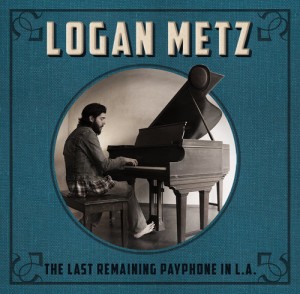
monoblogue music: “The Last Remaining Payphone in L.A.” by Logan Metz

In a perfect world, where I had more time and patience with artistic endeavors to do such things, I would take the album cover photo you see to your left and work on it a bit. It would be redone in such a way where the blue background has worn away in a circular pattern to reflect the record inside, something that you may see when you find the old records that belonged to your grandpa in his dusty attic because the covers have rubbed together for decades. It would do justice to this very recent release by Chicago-based singer and songwriter Logan Metz, who looks about 30 and sounds like he’s twice as old – to hear him sing, his voice reminded me a lot of Willie Nelson for some reason.
Yet while Logan occasionally works his way into very retro country territory, such as the honky tonk of the title track or the hopeless romance of Augustine, this album would have fit in perfectly with old standards of sixty years gone by. To be sure, this review should have been done on a throwback Thursday.

I’ll have to concede I don’t do tongue-in-cheek humor and irony nearly as well as Metz does, whether it’s on this track called Interesting People, the title song, or the ending Lullaby (For Everybody But My Baby (And Me)) – yes, we can all go to bed already. You just have to smile at the reference to dropping his last remaining quarter in the last remaining payphone in L.A. (indeed, that is how the lyric goes.) When I saw the song title I was wondering how Logan would get around to it and he didn’t disappoint me.

In the credits list for this eleven-track release I counted a dozen musicians, and Metz uses them to create a plethora of styles and moods, from the sultry Almost (All Mine) to the piano-based ballads I Got A Woman (one of the best songs of the collection) and Surrender, which gets the stringed instruments involved to good effect. Metz also gets bluesy (and boozy) with An Evening At The Cove, but redeems himself with the gospel overtones of I Must Be Found.

Yet because Metz takes a lot of musical chances with this collection – and be warned, those who are really into anything put out as popular music over the last decade are going to be completely lost with this record – they don’t always pay off. Perhaps I didn’t get the joke of The Rabbits, but I have to say Logan’s foray into Beatles territory called Jericho utterly missed the mark. But don’t let these missteps dissuade you from adding this to your collection if you like mature music that sounds so honest you’d swear this was recorded as analog all along. I’ve done my share of reviews of music that is technically dazzling because every note was perfectly placed by a computer program, so to have the backdrop I heard of a faint recording hiss is not a bad thing at all. (Or else I need new headphones. But I think it was Logan’s record.)

As a debut album, Metz sets the bar rather high and it leaves him with a lot of possible directions to proceed. And considering he financed the effort through Kickstarter (a little tidbit I learned from his social media) it looks like he has a bit of an audience already. I don’t know if this little corner of the world has a lot of fans of music your parents thought was retro, but if there are they should enjoy the listen.


monoblogue music: “The Miller Girl” by Steve Hussey and Jake Eddy

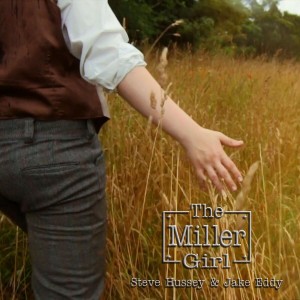
I’m certain that within the range of my website there are a number of people who enjoy the style of music variously referred to as bluegrass, Americana, or old-style country. Regardless of what they call it, they should be circling November 22 on their calendars because that is the date this release will hit the market. (The title track will come out two weeks beforehand as a single, although perhaps it’s some misfortune that it happens to be Election Day. People may not be thinking of music.)
Steve Hussey and Jake Eddy are musical collaborators who are a generation or so apart in age but seem to get along just fine musically. (Eddy is the younger of the two, as he is still in his teens.) But in listening to this album I noticed it had two somewhat distinctive “sides” to it: the front “side” of five songs seems to be more upbeat while the back half has more of a old-style country feel to it. There’s also more of a distinction between the opening five tracks: Little Shove comes across as a bouncier shuffle style, while Into the Ether seemed to me the most conventional country song. (It’s one I’m allowed to share as the album hasn’t dropped yet.) Chalk It Up is more of a sad, sweet ballad that didn’t seem quite as strong as the other songs.

There more of a humorous sense to Long Lost of Goodbyes, though, and Master Your Mind may be the closest song to what’s become known as modern country music (which is more like classic rock stylistically but played with conventional country instruments.) Its bass line gives the song away.

That song seems to serve as a transition point, because the last five songs have a much more common theme and sound to them – not quite repetitive, but definitely done in a similar vein. Yet while Looking For Love is a rather sad song, the whole mood changes on The Miller Girl, which Hussey (who wrote all the songs) describes as “a simple hymn of a tune about young love.” Who hasn’t felt a longing for the girl from “the next hill over” and anticipated a time when you would be riding the same school bus? You can almost see the progression of romance through the last three songs Better Day, I Pick You (which, in fact, Hussey wrote for his real-life wedding), and Sweet. All these songs have an old-style country and bluegrass feel to them, which is appropriate since both artists hail from West Virginia.

I often note that I try to avoid reading the descriptions and bios until after I listen through the album, so once I read Hussey’s idea behind it things made more perfect sense. Hussey noted that, “The album is laid out as a concept album. The opening tracks tell the story of a man who is lost, as highlighted by the first 3 songs. As the album progresses love sweeps in and by the last song…the listener and the protagonist arrive delivered.”

The other common theme in these ten songs is the outstanding interplay between instruments. This is a well-produced record, and as a testament to that I can tell you the playing on it really shines because the instruments are kept nicely distinctive. As I noted above, I can only share one song but feel free to listen to Into The Ether for yourself and be your own judge. (I think the title track would have been the better pick, but it is intended as the lead single.) My musical friends should really enjoy this record, and who knows? It’s not a long stretch to have the duo make its way to the East Coast to back up their work live so you can check them out in person.

monoblogue music: “Quiet Hours” by Electra Day

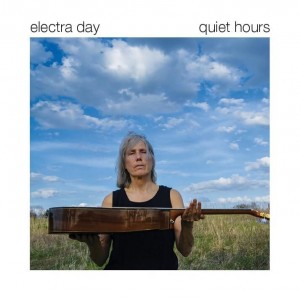
I don’t think this was literally recorded in the Iowa field depicted on the cover, but otherwise I must say that of all the albums I have reviewed over the 2 1/2 years of monoblogue music, this may be the title and cover that best (and most simply) describes the work within.
Julie Hampton, who records this solo album under her grandmother’s name Electra Day, wrote these nine songs over an 11-year period and performs them without accompaniment. Literally the album is just her and her acoustic guitar, which limits the music’s variety but allows you to listen to her lyrical tales drawn out over songs that usually run between five and seven minutes. (Ferry Song is the longest at 10:25, yet portions of it are among the most uptempo on the collection.)

In fact, this small description of the album isn’t hype or salesmanship, but pretty much writes the review for me:

Steady rolling guitar layered with deep and densely imagetic lyrics, drawing from the mystique of the places they were inspired by, work together to create an experience of engaged relaxation.

As I listened to her, I began to think of the songs as a musical journal, with a lot of references to the sky and other worldly expanses. (In fact, the one track I can share is called Big Sky.) I don’t picture Julie as the indoor type, although by her brief description of some past health problems she may have had a time in her life where she was trapped inside. “Quiet Hours” is a story of a poet and teacher that took up the guitar relatively late in life and has traveled – somewhat restlessly – around the world. Currently she lives in Iowa, but it seems to me the wind could pick her up and blow her anywhere. I guess as long as she has her guitar and a pen to write lyrics, she’s happier that way.

“Quiet Hours,” released in August, is actually intended to be the first part of a two-part “Quiet Hours” project with the other half “hopefully (to) be recorded next year.” If soothing melodies that tell a story are your cup of tea, you may well enjoy the quiet hour plus three minutes her collection runs. It’s just as simple as that.

monoblogue music: “Introversions” by Sluka

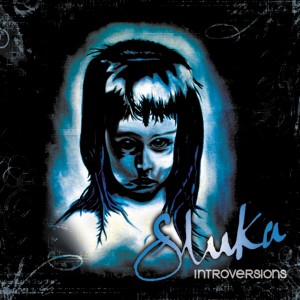
Sluka - IntroversionsFrom San Diego by way of a global upbringing, musician Christopher Sluka (who simply uses his last name professionally) shows off his talent as a musician and songwriter on this DIY effort. The album came out in January, but there’s a renewed interest in the music as Sluka is trying to put together videos for all thirteen tracks as a BluRay release prior to a European club tour beginning next month.
If you look at the collection as a whole, you can tell that Sluka appears most comfortable writing and performing keyboard-based compositions, although he’s also credited with handling guitar, bass, violin, and drums for the record. Most of the songs (with the exception of the almost Beatlesque Hung and sweet ballad Fear of Ordinary Life) seem to have that basis. Because of this, the challenge for Sluka is to keep the songs from having a bland sameness – he succeeds best in the bookend songs Valentine Lies and Gothic Cavalier; on the other hand, Beautiful seems almost a slightly faster version of the preceding song Even The Knights Love Caesar.

Yet even when he goes off the beaten path, it can appear trite – such as in the song A San Diego Zoo, which is mildly humorous lyrically but overall is a miss. Doctor Strangelove, too, is a good song but doesn’t need the “live” intro. Sluka recovers well with the beat-heavy Sunday’s Child, and its follow-up Paralyzed, which begins as more of an acoustic ballad before becoming an interesting song that could work in the adult contemporary realm. I would tend to place Sadder Than Sad in that category as well.

To me the songs which best portray Sluka (besides the opening track of Valentine Lies) are buried toward the back of the album. Higher is an enjoyable, upbeat song that allows for harmony with a female backup singer while Severed has a great melody and has a nice layered sound to it, particularly in the vocals.

As a whole, I was a bit disappointed in the direction “Introversions” took after its opening track, the video for which follows:

But as always (when I can, of course) I encourage people to listen for themselves. You may be more pleased with the final product than I was.

monoblogue music: “The Songs” by Jim Peterik

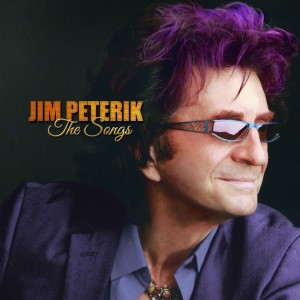
All right, this is one that is very intriguing. Take a musician who may not be a household name himself, but realize that you KNOW most of the songs on the album because they were done by artists you’ve heard – particularly Survivor and .38 Special. Jim Peterik was a founding member of the Ides of March as well as Survivor, but has also worked with a number of other artists as a songwriter, including the aforementioned .38 Special.
Yet what you get on this album isn’t just a paint-by-numbers retrospective of a long career that began way back in 1964 with a group called The Shon-Dels that evolved into the Ides of March. Instead, Peterik headed down to Nashville and put a brand new spin on this classic rock. Imagine the Ides’ 1970 hit Vehicle performed as a slow jam, with primarily a keyboard accompaniment, or Eye of the Tiger done in a bluegrass/country style and tempo. Other Survivor songs like Is This Love, The Search Is Over, or I Can’t Hold Back also get an acoustic country treatment – but High On You is treated with a Caribbean flavor while L.A. Goodbye (another Ides of March hit) becomes a piano-based ballad that’s a highlight of the compilation.

But while Peterik has performed the most with the Ides of March (along with a couple other lesser-known groups, Pride of Lions and Lifeforce), he wrote many of the songs for .38 Special. This is what he did with Caught Up In You:

I daresay you won’t hear that on the classic rock station. Meanwhile, Hold On Loosely is recast as a slow acoustic ballad.

There are also songs that Peterik wrote for others on this as well. I never had really heard That’s Why God Made The Radio, but it was a song written years before its 2012 release on the Beach Boys’ album of the same name. (Peterik had worked with Brian Wilson in his solo career, too.) This version could have stood up in the 1960s with its vibe. And the last classic song was the one I liked most: redoing the Sammy Hagar song Heavy Metal (from the soundtrack of the 1981 movie of the same name – one of my all-time favorites) as more of a heavy blues song. I was wondering what he would do with it, and the treatment paid off.

Tucked in toward the end of the album are two recent original compositions: the gospel-influenced Miracle At Ground Zero, and the introspective The Same Muse, where he sings about music being “the only love I know.” I suppose if one of your claims to fame is being a co-author of “Songwriting for Dummies,” you would have a knack for putting together good tunes.

So to wrap things up, I guess the way I can best describe “The Songs” is to let you know that you might know the songs, but chances are you’ll also enjoy the music. After all, Jim Peterik started playing and singing professionally the year I was born, and since then it doesn’t look like he’s missed a beat.

monoblogue music: “Ride The River” by Jess Wayne

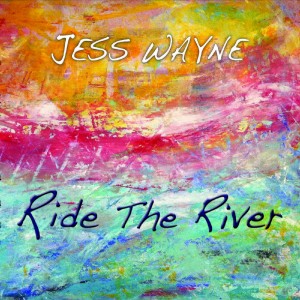
In his debut album, which was released June 10, Jess Wayne impressed me with his songwriting ability and ability to recruit a very solid band behind him. It’s not bad for a guy who gave up life as a successful Colorado bankruptcy lawyer seven years ago to move to southern California and find himself in the music business. No, really, that’s his story and I suspect he’s sticking to it. If he gets successful enough in his second career, I’m sure he knows people who know people who have the juice to get a biopic done.
So it’s quite ironic that one of the better songs on this album is the biting wit of Say Goodbye Hollywood. And for a relatively new professional musician, Jess has many of the emotional bases covered in his songs: for example, the sad regret of Taken You Home Last Night that opens the album slips right into the cynicism of Better Get Used To It. In turn, we get the familiar “I’m deep in the doghouse” theme of Make It Up To You.

That’s not to say “Ride The River” is a paint-by-number effort, as there are a lot of categories and genres covered by these ten tracks. Taken You Home Last Night gives me a weepy country vibe, but Better Get Used To It comes across more like smooth jazz to me, while Make It Up To You seems more adult contemporary. If I were to have a complaint about these first three songs, it would be in the way Wayne sings them – he seems to want to dictate each lyric rather than letting it flow out of him. I don’t know what the order of recording was, but it seems like it takes him until the fourth track Hold On to let it rip a little bit vocally. Jess isn’t ever going to win “The Voice” but he has nothing to be afraid or ashamed of as a vocalist as he learns how to shape songs to his voice.

It starts to come together a lot better on the back half of the collection, as Jess makes Say Goodbye Hollywood into a fun song, keeping it light for Next Time Around. Why Don’t You Lie To Me comes across as a pleading, as a lyrical twist eventually makes the song make sense. Meanwhile, up until then the band was rather tight as well – the Jess Wayne Band has a number of musical veterans in it, and this shows.

So I was a little disappointed in the strange drum line in Garden Song because it took away from the humorous yet poignant lyrics. Aside from that slight flaw, though, I thought the band was effective in being the background, particularly as there are several guests contributing bass, vocals, and harmonica, (In particular, the bassist who played on “Ride The River” is not the touring/live performance bassist.) While I generally frown on self-production – especially from budding artists – having his bandmate, keyboardist John Matthew Rosenberg, as co-producer likely smoothed over some of the excess these self-producers often have. (“Ride The River” production is credited to Rosenberg and Douglas Jessop, which is Wayne’s real name. Jess Wayne is a combination of his last and middle names.)

Luckily, I felt Wayne and his band saved the best for next-to-last. I thought the album’s highlight was the blues number How Do You Know, which has a great riff and a fantastic use of call-and-response, with the background vocals coming off just right. All I Can Do For Now provides the coda for the album, which is just ten songs but rather lengthy – Wayne puts a lot of meat on the bones of these songs, as all but two run four minutes or more.

And to be quite honest, knowing Wayne’s backstory is good for getting a perspective on the album. (I normally prefer to listen first, then read up on the artist later so as not to prejudge.) I think as Wayne learns his craft and figures out how to use a rather unique vocal style he could be successful. The album release was backed up by a modest tour in California, Arizona, and Colorado (with his Denver show billed as a “reunion of family, friends, and colleagues”) so he seems to be working hard at this musical journey.

While you can sort of pin Jess down in the adult contemporary genre, there’s enough overlap of styles that most people can find something to like about it. (In my case, it was the blues song.) But don’t take my word for it – listen for yourself and see what you think.

monoblogue music: “Big World Abide: The Best of Eric Anders” by Eric Anders

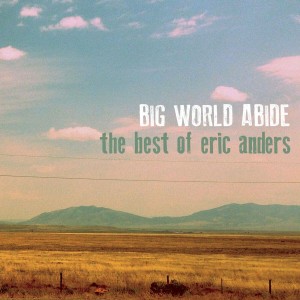
Eric Anders - Big World AbidePerhaps it sounds pretentious for an artist to have a “best of” collection from just three full-length releases and two EPs, but this is the method Eric Anders, a singer-songwriter hailing from the Bay area of California, has chosen as a career bridge.
The playlist Anders chose his 12 tracks from spans from 2003 to 2011, as Eric did a succession of work from 2003-06 with his last previous release, “Remains In Me” coming out in 2011. “Remains” was the one EP represented in the collection, with a different version of a song called How Low And Why from Anders’ other EP, 2004’s “Songs For Wayward Days” also in this compilation. That variation, which reappeared on the 2006 full-length “Tethered To The Ground,” is a more complex take on the song; the version Anders chose to use is a more simple, adult contemporary style arrangement.

Taking the long-range view of his career, it’s noteworthy that Anders only included one song from 2003’s “Not At One.” Never Enough is one of the more acoustic-sounding songs on the CD, with a nice accompaniment from what sounds like a lone cello. As I noted above, Anders skipped selecting anything from the three-song EP “Songs for Wayward Days” but included three tracks from the 2005 album “More Regrets.”

You could see a progression from simple to more complex with these three songs, as Settlin’ Comes and Remembering On My Own maintain a more acoustic presence, but Icarus features a more haunting melody that seems to punctuate Anders’ later work more and more.

Considered by Anders to be the album he’s “most proud of,” “Tethered To The Ground” makes up half of the twelve-song collection. It’s a diverse blend of styles, with the interesting use of musical elements on Tethered To The Ground, which leads off this release, sliding into the accessible adult contemporary title track of this release, Big World Abide. The version of How Low And Why that Anders uses comes from this album as well.

It’s not the only song Anders tinkered with, though: his 2006 release had a great take on the Violent Femmes’ hit Blister In The Sun that Eric slows down and (with permission from the original songwriter, Gordon Gano) added lyrics to.

Yet even a “best of” collection has its weak links, and These People, while a heartfelt ballad, is one that could have been left off. Anders has a fairly pleasant voice which some have compared to James Taylor, but he doesn’t do as well singing at the high end of the register like he does with These People.

And you can’t talk about Anders without getting political. “Songs For Wayward Days” is described as “an anti-Bush political EP” and he takes that stance on Looking Forward To Your Fall, written in the midst of the conflicts in Iraq and Afghanistan and released on “Tethered.” It’s actually one of the more active, dramatic songs on the album with a staccato rhythm.

In that vein, the two songs selected from 2011’s “Remains In Me” EP come with different styles – the song Genocide and Justice is more of a ballad but features some great slide guitar work while Remains In Me is more of a country-rock tune – but both refer to the Wounded Knee massacre as well as the Jumping Bull Ranch incident which put Leonard Peltier in prison (some say unjustly.) It was almost as if Anders was satisfied enough with the overseas policy of the time – withdrawal from Iraq and Afghanistan – that he turned his attention to the classic mistreatment of Native Americans as a new theme to address.

Unlike many “best of” compilations which are kept in the order of release, Anders and Jeff Peters, who mixed much of Anders’ work and re-mastered this album, tried to approach this like a new album in making it more cohesive. Obviously one can tracklist in the order of release if desired, but I think it would have been interesting to put out the album in release order, too. But since this collection seems to be intended as a bridge to new upcoming work for Anders, it is a good look in the rear-view mirror. What you see (or hear, in this case) is probably what you will get when Anders’ next album comes out at some unspecified future time.

Knowing where he’s been allows us to see many different paths for the future of Eric Anders, but you can take the time to see his trail by listening for yourself. (It does autoplay, so the haunting opening riff of Tethered To The Ground is something you’ll hear straight away. It’s a good intro.) I’m going to be interested to see if he stays more in the adult contemporary vein or starts to veer off into more of a country sound.

And as someone who does a lot of political commentary, I’m curious to know how Eric is reacting to Clinton vs. Trump. (I suspect he’s more of a Jill Stein person, but as long as he puts out good music that’s an argument not worth having.) Maybe “best of” is pretentious, but it makes for a good overview.

monoblogue music: “Time Slow Down” by Tod Hughes

Tod Hughes - Time Slow DownIt’s been a bit of a drought for my review series, so it was nice to come back and do something that was original in the sense that it employed harmonies successfully, for the most part.

Tod Hughes is a musician from Calgary, Alberta, who claims to write “Real Music from the Heart!” I certainly can’t argue with the point, although there were a few points in the collection where the execution could have been improved. But the harmonies are the story on this album, beginning with the title track that sets the tone for the remainder. A similar track to Time Slow Down comes later in the album, as Real You And Me runs in the same vein. Worth Waiting For has that same nice female harmony with a more country-western sound – and by that I mean the classic stuff, not the homogenized rock with country instruments that plays on most country stations these days. Roots rock has some of the same influences, and it’s funny that Hughes mentions Johnny Cash in the song since Cash was considered to be rock-and-roll back in the day.

The ballad Darkness that Cries and finale Is It Really Fair also have that nice blend of voices, with the latter song being the most active and political of the nine songs on the set. Hughes points out that he does a number of shows “for the direct benefit of charity, where all proceeds go to support those in need. These charities have included education in developing countries, micro-finance and the recent refugee crisis in Syria.” Obviously that’s not everyone’s cup of tea, but musicians tend to be generous with their talent.

Other songs on the CD have their moments as well. One of a Kind has a unique rhythm to it, building to a crescendo that Hughes doesn’t quite have the voice for. Hughes shows his humorous side on the country-tinged Nothing Too Obscure as well as this track he made a video for, Drinking Coffee in a Hipster Place.

The video actually makes the track seem better, which is good. But the song I enjoyed the most was the middle song of the nine-song collection, the ode to the road Coming Home To You. It has a great bridge in the middle, but it did the best at evoking the optimistic mood of coming home – even if he did try and perhaps unnecessarily sing in a higher key toward the end.

Overall, this is not a bad vehicle to drive Tod’s career, establishing him further as a good regional artist. Apparently this album is getting a little bit of international play, though, so if you like that mix that occurs at the intersection between classic country and old-style rock that stresses all the instruments, not just bass and drums, you may get enjoyment from this too. As I often say: don’t just take my word for it, listen for yourself. “Time Slow Down” came out May 8 and even can be had in the old-school vinyl.

monoblogue music: “Stealin’ Thunder” by The Magic Lightnin’ Boys

Magic Lightnin Boys - Stealing ThunderThe Magic Lightnin’ Boys hail from Cincinnati, Ohio, which immediately tells me a lot about the band since I spent four of my most formative years in that area. For people of the Midwest like me, Cincinnati is the gateway to the South where these regions converge like the pasta, cheese, and onions added to the chili base of Cincinnati chili.

This band has more than a heaping helping of Southern influence, creating its own dish combining Southern rock and blues with a smidgen of funk, served piping hot. Formed in 2014, next month TMLB will be putting out its first full-length studio release in “Stealin’ Thunder” after doing both a studio EP and live album last year.

So the question is whether this new 13-track compilation will be enough to catapult them to a national platform, and indeed I think it’s possible on one condition: listening audiences redevelop an appreciation for the blues as opposed to the rap and hip-hop influence pervasive in modern popular music.

“Stealin’ Thunder” begins with a short bit of spoken word and harmonica called Nan’s Poem. The first thing it made me think of is a song buried on John Mellencamp’s “Scarecrow” album called Grandma’s Theme, which is the prelude to a much more familiar tune called Small Town. I don’t know if Nan’s Poem will lead into a megahit called Bones, but TMLB’s second track is a classic blues number that features some tasty slide guitar and harmonica. They employ a somewhat similar technique on the next couple of songs, with the almost mellow – well, as mellow as you can get with a fuzzed-out guitar sound – instrumental called Before the Storm building into a crescendo before yielding to April Rain.

April Rain sounded like it could have been lifted as an outtake from an Allman Brothers album circa 1971, and there’s not a thing wrong with that. Things are “always better with a cheap-ass bottle of wine,” and that’s the attitude they carry on this track and the next one, the bass-driven Fear & Freedom. “On the other side of fear lies freedom,” indeed, as TMLB isn’t afraid to show they can do bluesy southern rock with the best of them. For me, those were two of the highlight songs on the album. The rocking coda of April Rain and the fact there’s just enough guitar on Fear & Freedom to give the song real life is a testament to the album’s writing and production. Normally I’m not big on self-produced work but the band kept things nicely in line for this one.

As I was writing this, I was also listening to their earlier studio work just to see what kind of a directional change is made on the next song, Roll. It’s a more urban sound, integrating a horn section into their standard blues-based fare. I appreciated the nod to a different sphere of influence, but it didn’t quite fit for me. After the instrumental ballad The Cleansing, the album reaches its lead single, called The Ride. It’s a very good representation of TMLB’s sound, so listen for yourself.

Now that I’ve seen the video, I have to agree lead singer Casey Gomez looks like a bluesman. The other band members are Brian Tarter on lead guitar, Richie Lee on bass, and Kurt Lipphardt on the drums. (As an aside, after reviewing a number of completely solo, in-studio efforts over the past few months, it is refreshing to see a real band playing.)

After another brief and mainly instrumental (just two guitars) tune called Spaceship Blues, TMLB runs through two songs that could be radio hits if programmers knew what they were doing, Mojo and Rubber Side Down. The former reminded me of the Fabulous Thunderbirds, while the latter is another fast blues number. These lead into the final short acoustic track called Bondo’s Ballad and the finale N2U, which as it’s written is a classic closing track. It’s a definite “thank you, good night!” kind of song if played live. (Actually, just before I put this review to bed I noticed on their website a lot of these songs are featured live, including N2U. Call it a pro tip, and let’s just say I wasn’t far off.) Supposedly the band will be “extensively touring” in support of this album during the summer and fall, and I think this may be a fertile area for a band that plays the blues.

I know this is only mid-April and hopefully I will have a lot more music to review, but I have a sneaking hunch this will be in the running for my top 5 at the end of the year. I’m sure the band would agree it’s time to geographically expand their fanbase, so if you like old-style Southern blues-based rock this could be a revival band you’re looking for.